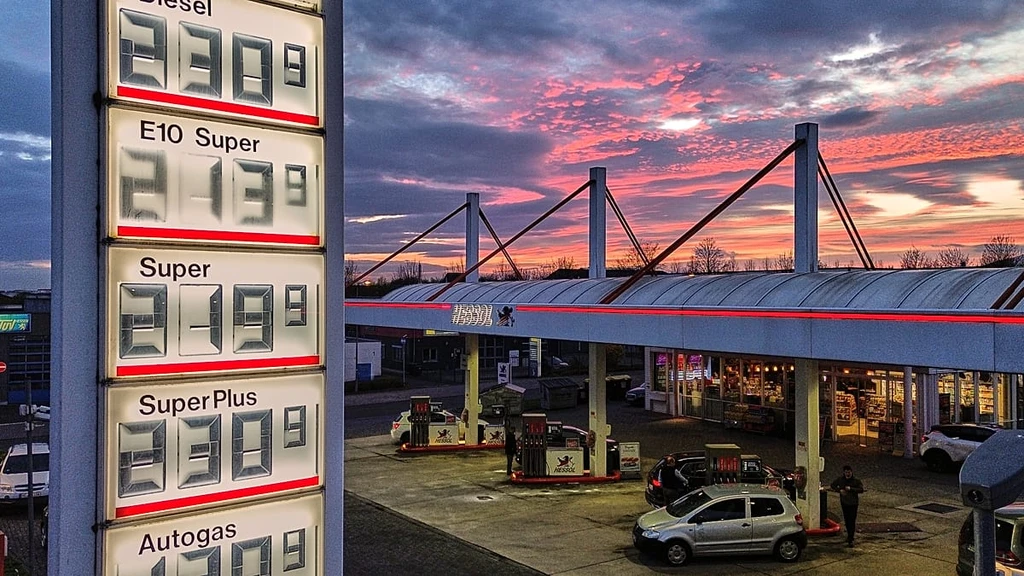
Even if peace is declared tomorrow, European oil and gas prices will not return to normal in the foreseeable future, warns EU Energy Commissioner Dan Jørgensen.
Though no immediate shortages exist, diesel and jet fuel supplies are under strain, driving up electricity costs. Since the war began, the EU’s fossil fuel import bill has surged by €14 billion, with gas prices up 70% and oil up 60%.
The Commission is finalizing a "toolbox" of emergency measures, including potential electricity tax cuts and policies to decouple gas prices from electricity rates. A one-off windfall tax on energy firms remains under consideration.
Jørgensen emphasized coordinated action across member states to prevent market-disrupting fragmentation. He urged adoption of the International Energy Agency’s 10-point plan: remote work, reduced speed limits, and expanded public transport and car-sharing.
The EU reaffirmed its commitment to ending Russian gas imports-a move that has cut reliance from 45% to 10%. Zero dependence is expected as supplies shift to the U.S., Azerbaijan, Algeria, and Canada.
"We must never repeat the mistake of letting Putin weaponize energy," Jørgensen said. "Buying energy that funds his war is unacceptable."