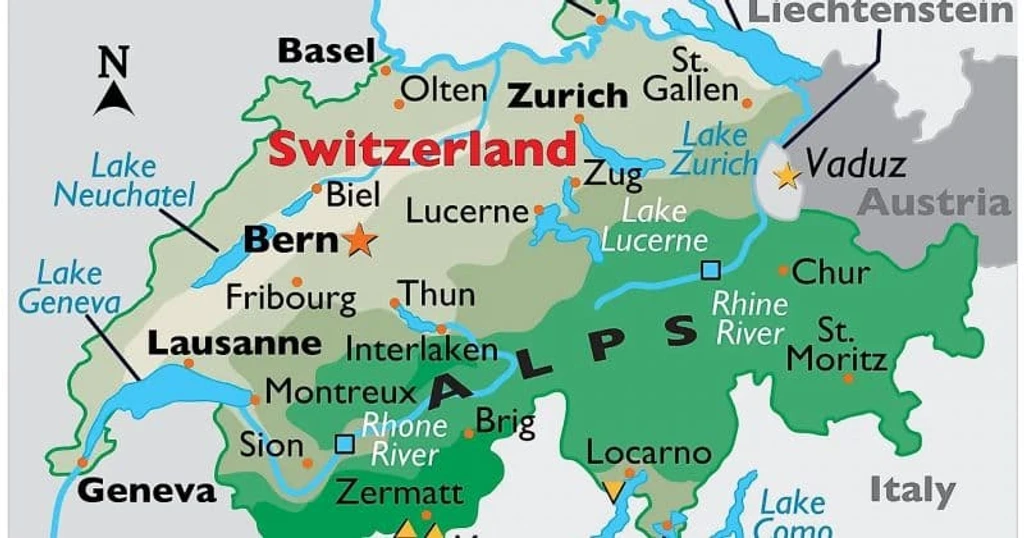
Pakistan will host the signing ceremony for a US-Iran memorandum of understanding at the Bürgenstock resort in Switzerland on June 19. This event marks a potential diplomatic breakthrough in the Middle East. Financial markets have responded immediately, with Bitcoin climbing above $65,000 as investors digest the prospect of de-escalation.
Brokered with mediation from Qatar, Saudi Arabia, and Türkiye, the agreement aims to halt hostilities and establish a framework for substantive negotiations. The deal includes three immediate components: a ceasefire, the reopening of the Strait of Hormuz, and a US commitment to end its naval blockade against Iran. Securing this waterway is critical, as it facilitates approximately one-fifth of the global oil supply.
The memorandum establishes a structured 60-day negotiation period to address core disputes. Discussions will focus on Iran’s nuclear enrichment capabilities, sanctions relief, and the potential release of frozen Iranian assets estimated at $24 billion. Prime Minister Shehbaz Sharif confirmed Pakistan’s hosting role while crediting regional partners for their mediation efforts.
Market analysts view the agreement as a significant reduction in geopolitical tail risk. Reopening the Strait of Hormuz removes a primary supply-shock scenario that typically drives inflation and pressures risk assets. However, the ambitious two-month timeline introduces new volatility risks as negotiators tackle complex issues previously unresolved by years of diplomacy.
While sanctions relief funds will not flow directly into digital assets, increased global liquidity generally reduces risk premiums across emerging markets. Traders are currently pricing in the MoU as a credible stabilization measure, though every development during the 60-day window remains a potential market mover.