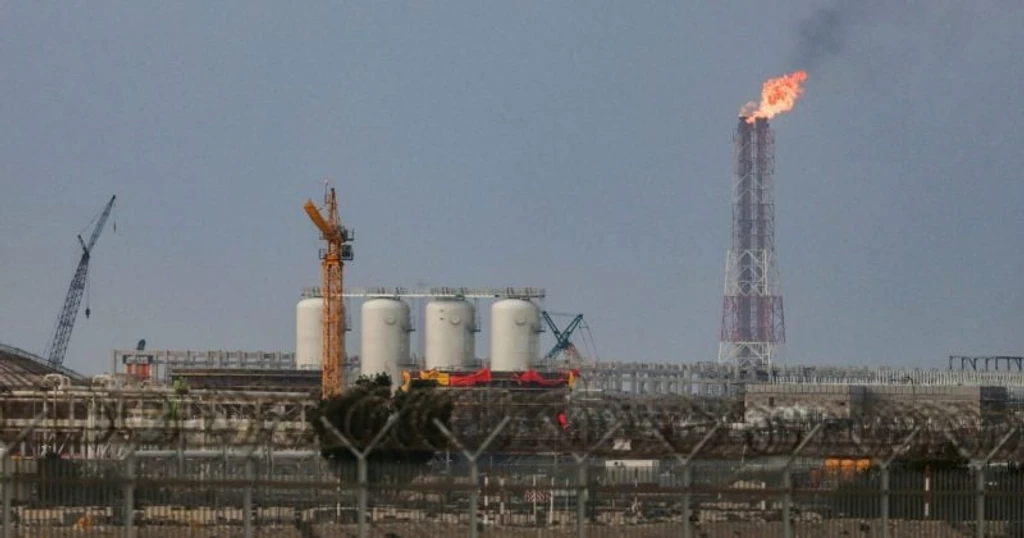
The Pentagon is deploying more military aircraft to the Middle East as tensions with Iran intensify. This buildup is fueling a classic risk-off rotation away from digital assets.
The conflict escalated after Iranian forces attacked commercial ships in the Strait of Hormuz, which handles about a fifth of the world's oil supply. The US responded with over 140 military strikes. President Trump declared the ceasefire null and reimposed sanctions on Iranian oil.
Oil prices surged, gold rallied as a safe haven, and both Bitcoin and Ethereum declined.
Simultaneously, the US Treasury sanctioned Nobitex, Iran's largest cryptocurrency exchange. Nobitex processed over 50% of Iran's digital asset inflows in 2025. The action targets a key tool Iran uses for sanctions evasion, including Bitcoin mining and peer-to-peer networks.
Despite the pressure, the Iranian crypto ecosystem has shown durability, with no significant capital flight observed after the sanctions.
For investors, the sanctions create compliance ripple effects globally. Exchanges must tighten screening, and stablecoin issuers face pressure to freeze sanctioned assets.
Investors should monitor oil prices and any additional Treasury actions against crypto infrastructure. Equipment shortages may also limit the scope of sustained US operations.