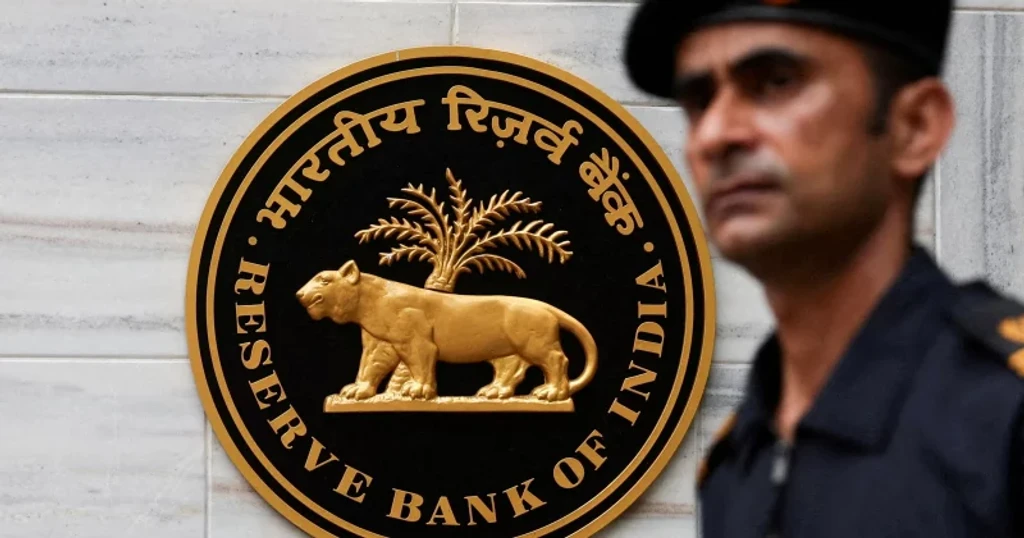
The Reserve Bank of India has revived an aggressive playbook move, resuming pre-market intervention in the foreign exchange market to keep the rupee from sliding further into record-low territory.
The central bank is selling dollars in the pre-market window, signaling to traders a willingness to absorb early losses to prevent a disorderly decline.
The rupee has been trading around 95 to 96 per US dollar. A combination of rising global oil prices and geopolitical tensions has put sustained pressure on the currency.
The RBI has also imposed a cap of roughly $100 million on banks' net open foreign exchange positions. This limits their ability to pile on speculative wagers against the rupee, effectively taking away the megaphone from speculators.
The RBI is not trying to defend a specific exchange rate. Instead, the central bank is practicing what economists call "leaning against the wind," smoothing volatility without committing to a formal currency peg.
The central bank is reportedly exploring measures to attract more foreign capital inflows, including revisiting the Foreign Currency Non-Resident deposit scheme and relaxing tax regulations for foreign investors.
For foreign investors holding Indian equities or bonds, a weakening rupee eats into returns when converted back to dollars or euros.