
Retirement planning failures often stem from subtle, compounding errors rather than dramatic market crashes. Financial advisors in Singapore report a worrying trend where professionals delay saving or misallocate funds due to misleading sales pitches. The Monetary Authority of Singapore recently flagged advisers marketing Investment-Linked Policies as capital-guaranteed products, a description regulators deemed misleading. These incidents highlight widespread uncertainty regarding retirement preparation among affluent earners.
Delaying investment remains the most costly mistake. Compound interest requires time; starting at age 45 yields significantly less than starting at 30, even with identical monthly contributions. Late starters often chase unrealistic 8% to 12% returns to compensate for lost time. This desperation increases vulnerability to scams and unsuitable regulated products. In 2025 alone, investment scams cost Singapore victims approximately S$913 million. Even legitimate high-cost products can erode retirement capital through hidden fees and lack of guarantees.
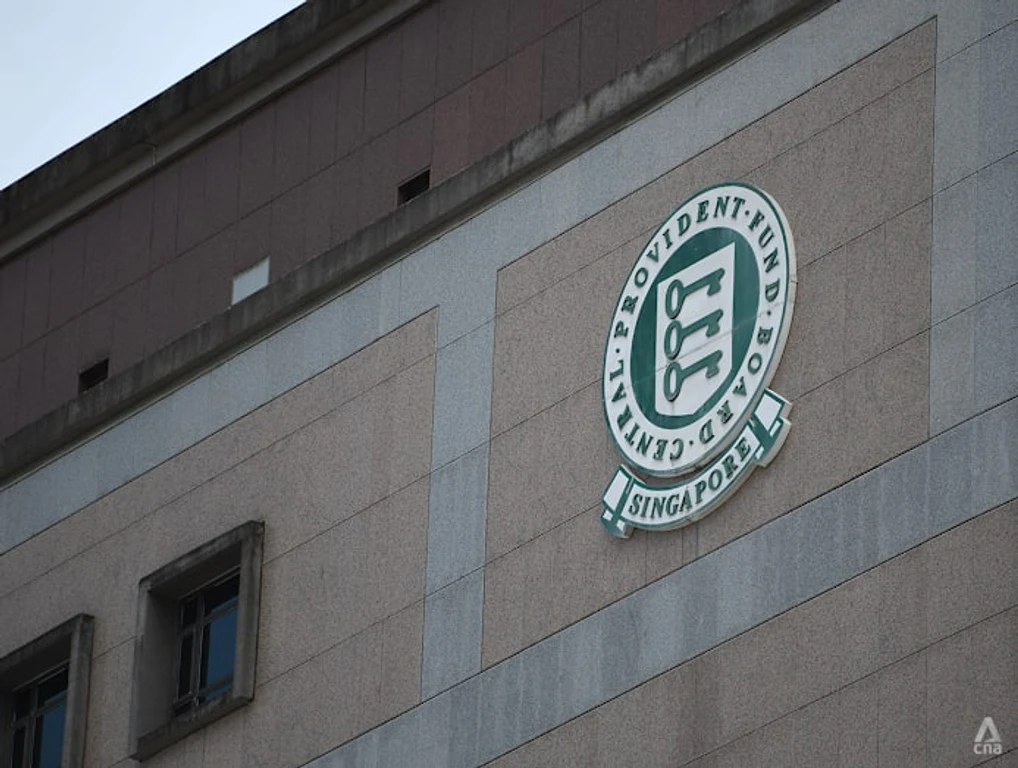
The Central Provident Fund serves as the essential bedrock of financial security. CPF Life addresses longevity risk by providing lifelong monthly payouts, regardless of how long one lives. For those turning 55 this year, meeting the Full Retirement Sum of S$220,400 secures roughly S$1,780 monthly from age 65. This safety net should never be recklessly substituted for expensive investment products. Additional investments must supplement, not replace, this guaranteed income floor.
Effective retirement planning follows a strict sequence. Individuals must first establish emergency funds and secure insurance against hospitalization and critical illness. Only after assessing CPF Life income should they pursue growth investments for lifestyle upgrades. Reversing this order creates a fragile foundation. While future inflation and health remain uncertain, adhering to these fundamentals provides the best defense against outliving one's assets.