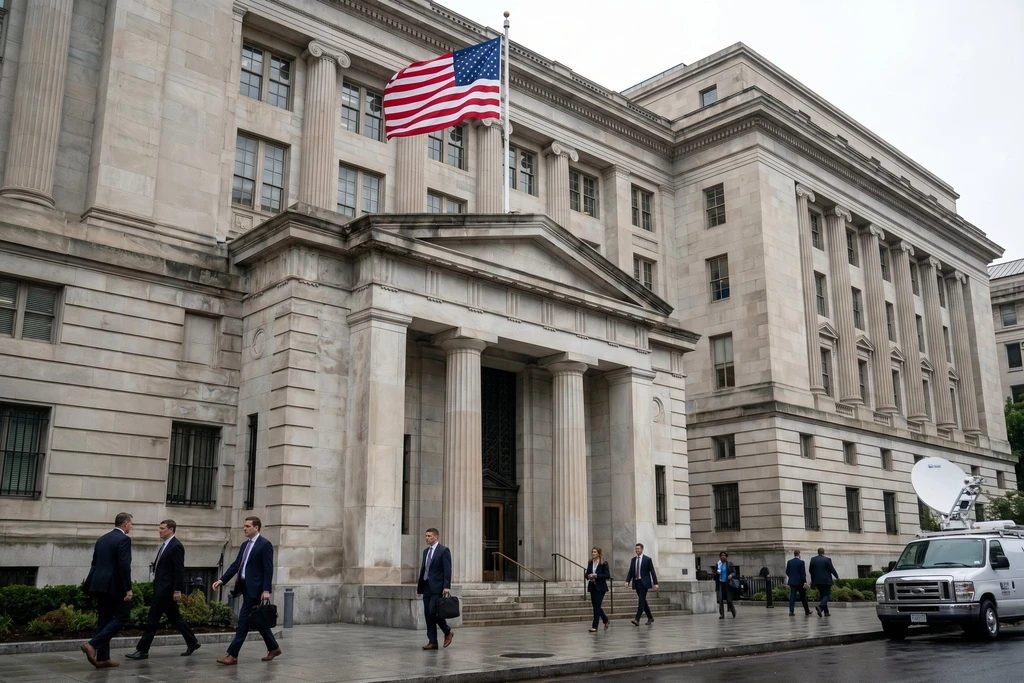
The Senate confirmed Kevin Warsh as the new Federal Reserve chair on May 13, 2025. The vote was 54-45, with Warsh also confirmed for a 14-year term on the Board of Governors. His appointment comes as the central bank faces renewed questions about its independence, given President Trump's frequent criticisms of outgoing Chair Jerome Powell.
Warsh, a former Fed governor from 2006 to 2011, takes over as the Federal Open Market Committee is divided on interest rates. Rising inflation due to the Iran war and a subdued job market, except in health care, challenge the Fed's dual mandate of price stability and maximum employment.
Christian Floro, a market strategist at Principal Asset Management, notes that Warsh seems less concerned about persistent inflation than many current officials and may be more supportive of lowering rates. Floro warns that any dovish shift could intensify scrutiny of the Fed's independence given the administration's calls for lower borrowing costs.
At his confirmation hearing, Warsh acknowledged the importance of Fed independence but argued it must be earned, criticizing the central bank's handling of post-pandemic inflation. He stated that Trump never asked him to pre-commit to rate cuts. Warsh will have one vote on the FOMC and must build consensus among members, including Powell, who plans to remain a governor until January 2028.
Analysts expect Warsh to push for a smaller Fed balance sheet, a less forward-guidance-heavy communication style, and a potential steeper yield curve with short-term rates falling and long-term yields rising.