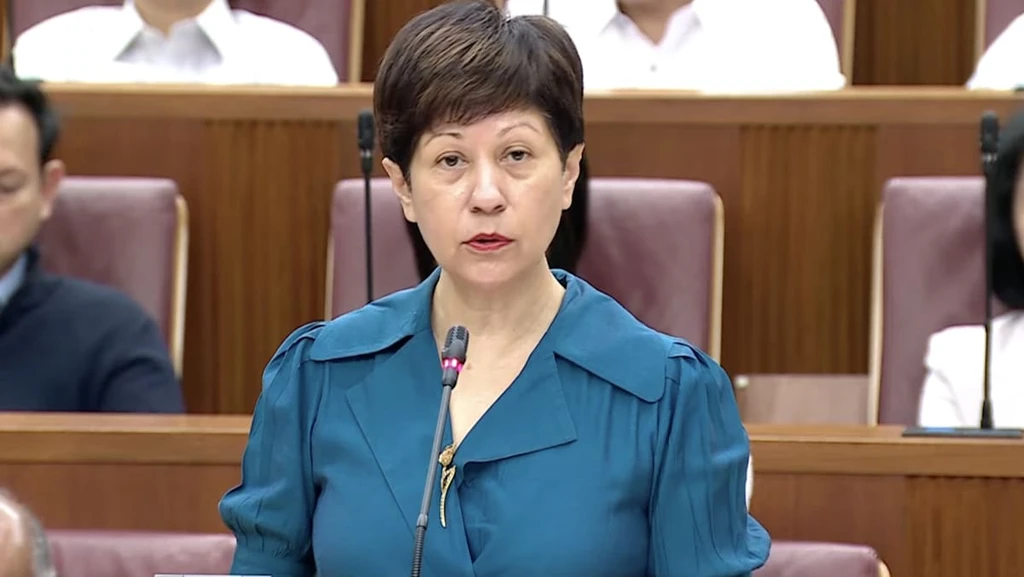
Singapore's careful management of its finances has repeatedly proven its value, particularly in a world facing significant turbulence. Leader of the House Indranee Rajah stated in parliament that the nation's status as a "beacon of safety, security and stability" is a direct result of successive budgets focused on fiscal prudence, forward planning, and adapting to change while meeting current needs.
Prime Minister and Finance Minister Lawrence Wong announced an expected budget surplus of S$15.1 billion for the 2025 financial year, more than double the initial estimate. The previous year also saw a surplus of S$6.4 billion. Mr. Wong attributed this stronger outcome partly to better-than-expected economic performance, including higher corporate income tax collections.
While some questioned if the government was being too conservative with its projected deficits turning into surpluses, Ms. Rajah emphasized that global events, including economic uncertainty stemming from US tariff developments and geopolitical conflicts, have underscored the need for such caution. She noted that as a small, open economy, Singapore is keenly affected by these global shifts.
The surplus, she explained, provides "assurance and quiet confidence," offering the ability to support citizens with a "ballast and buffer against potential turbulence." This prudent approach has been validated time and again.
Ms. Rajah cited two critical examples: Budget 2020, delivered during stable global economic conditions, was quickly followed by the COVID-19 pandemic, necessitating significant draws from past reserves. Two years later, a recovery budget was followed by Russia's invasion of Ukraine. "In all our Budgets, we prepare for the best but we also plan in case of the worst," Ms. Rajah stated, highlighting the importance of learning from history and appreciating the value of reserves and surpluses.