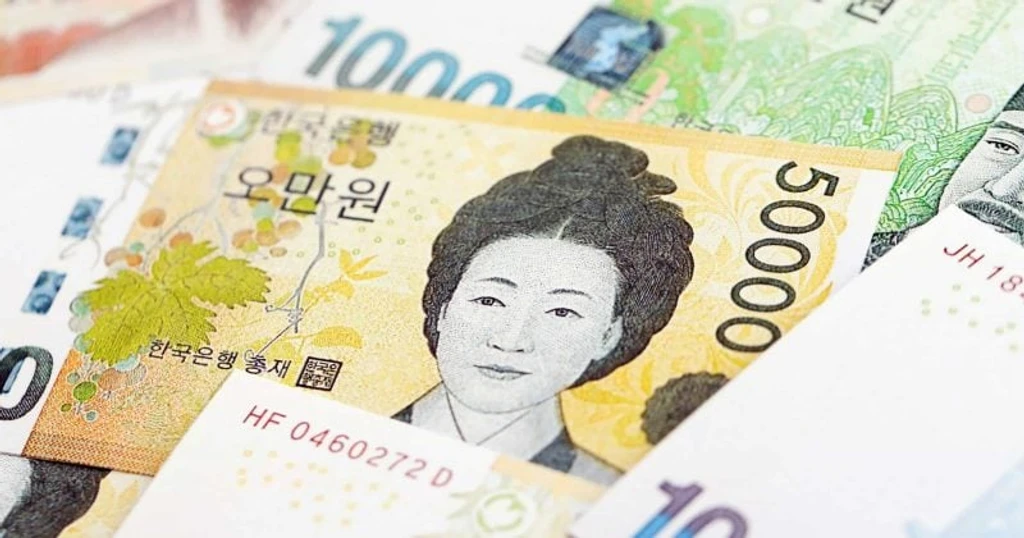
South Korea’s foreign exchange authorities are warning currency speculators that the won’s slide against the US dollar has become disconnected from the country’s economic fundamentals.
The won recently traded above 1,540 per dollar, with intraday peaks hitting 1,555 - levels not seen since the global financial crisis. South Korea is the world’s 13th-largest economy, home to Samsung and Hyundai, with what officials describe as stable economic indicators.
Second Vice Finance Minister Huh Chang raised the concern on May 20, calling the volatility excessive when measured against underlying data. Bank of Korea Governor Rhee Chang-yong flagged in January that dollar-won levels in the high-1,400 range were already misaligned with fundamentals.
Authorities blame speculative activity, particularly non-deliverable forwards (NDFs), and a structural problem: outflows for overseas investments now surpass South Korea’s current account surplus.
Officials have pledged they will not tolerate “excessive volatility and one-way betting” and have hinted at deploying stabilization tools without targeting a specific exchange rate. The strategy appears to focus on smoothing out extremes rather than reversing the trend.
South Korea is also exploring extended FX trading hours to improve market liquidity and reduce susceptibility to speculative shocks.
The coordinated messaging from the Ministry of Economy and Finance and the Bank of Korea suggests intervention may move from verbal to operational. The capital outflow dynamic remains a key signal: if outflows continue to exceed the surplus, no amount of verbal intervention will permanently arrest the won’s decline.