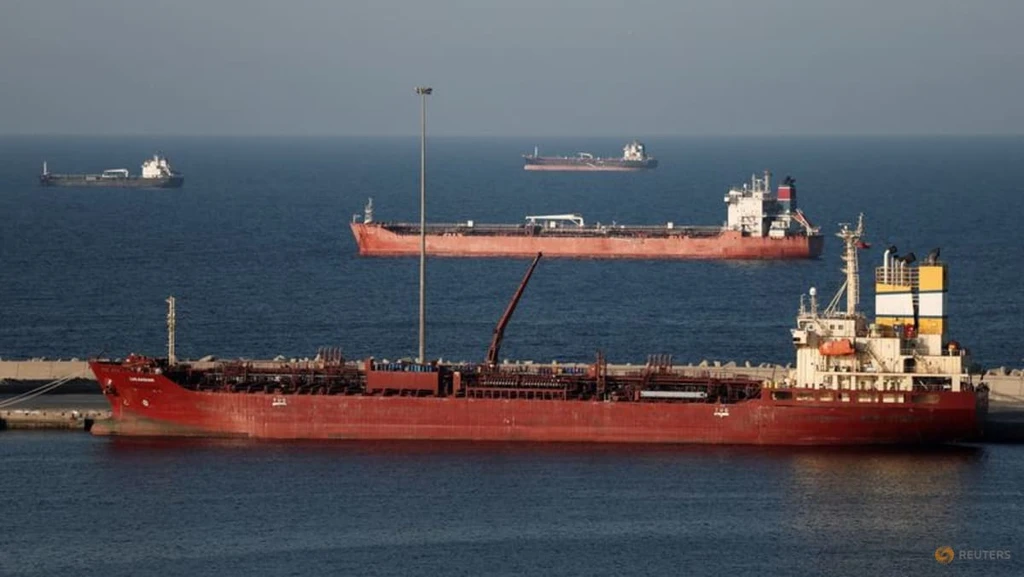
US stocks showed gains on Friday, reversing recent declines, primarily driven by a drop in oil prices. Brent crude futures fell to $98.89 a barrel, with West Texas Intermediate at $93.31, both significantly lower than recent highs. This relief comes as an Indian tanker navigated the Strait of Hormuz and the U.S. implemented measures to address supply concerns. However, the broader geopolitical situation surrounding Iran continues to fuel market volatility.
President Donald Trump indicated strong upcoming actions against Iran, alongside a temporary waiver for sanctioned Russian oil purchases, aimed at stabilizing energy prices. Despite these efforts, oil prices remain elevated compared to pre-conflict levels. The Dow Jones Industrial Average rose 0.66%, the S&P 500 added 0.57%, and the Nasdaq Composite gained 0.55%.
In Europe, the STOXX 600 index reversed earlier losses, closing 0.4% higher, though it remains on track for a significant monthly decline. The U.S. dollar has emerged as a safe-haven asset, strengthening against most other currencies amidst the global uncertainty.
Traders are closely monitoring the duration of oil supply disruptions and the potential for sustained inflation. This has led to revised expectations for central bank policies, with a reduced outlook for interest rate cuts by the Federal Reserve. The two-year Treasury yield hit a six-month high, reflecting shifting rate expectations.
Investors are now focusing on upcoming central bank meetings, including those of the Fed, Bank of Japan, European Central Bank, and Bank of England. The Reserve Bank of Australia is notably expected to implement a rate hike.