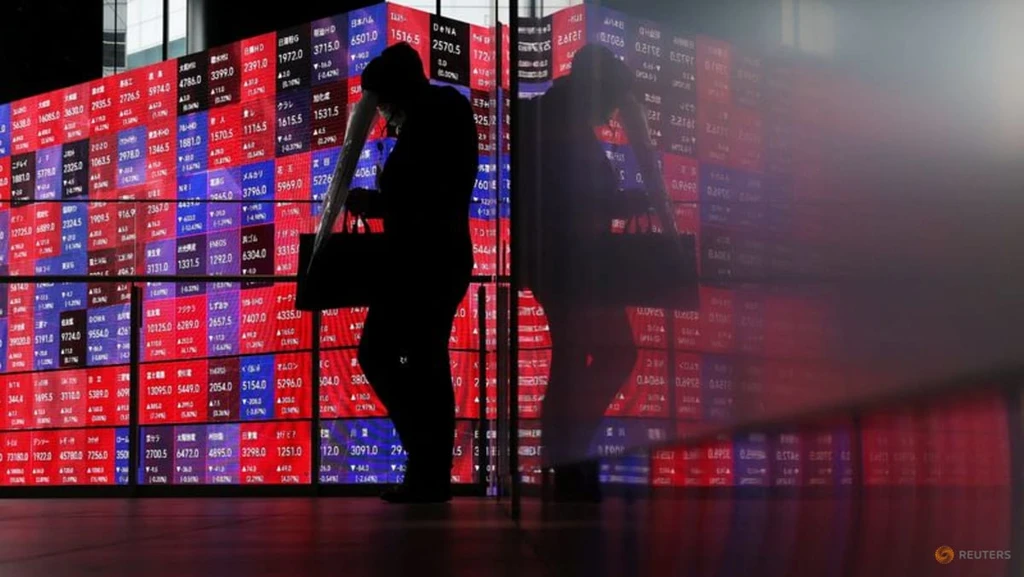
Asian share markets rallied Monday as news of a United States-Iran peace deal boosted risk sentiment and lowered global inflation expectations. Pakistani Prime Minister Shehbaz Sharif confirmed the agreement, while President Donald Trump stated it includes opening the Strait of Hormuz.
Iran indicated traffic through the strategic waterway would be regulated jointly with Oman, raising questions about potential shipping tolls. Despite these logistical uncertainties, the immediate market reaction was overwhelmingly positive as energy costs retreated.
Brent crude dropped four percent to $83.80 a barrel, while U.S. crude fell 4.3 percent to $81.23. This sustained decline in energy prices significantly alters the outlook for central banks meeting this week across the U.S., UK, Japan, and Europe.
S&P 500 futures climbed 0.8 percent and Nasdaq futures jumped 1.4 percent. In Asia, Nikkei futures rose two percent to 68,685. Treasury futures also gained ground as investors priced out near-term rate hikes due to reduced inflation risks.
The Federal Reserve is expected to hold rates steady at Chair Kevin Warsh’s debut meeting Wednesday. Meanwhile, the Bank of England will likely maintain current rates Thursday amid stable inflation data.
Lower yields propelled non-interest-paying gold to $4,280 an ounce. The U.S. dollar weakened broadly against major currencies as safe-haven demand evaporated in the wake of the geopolitical breakthrough.