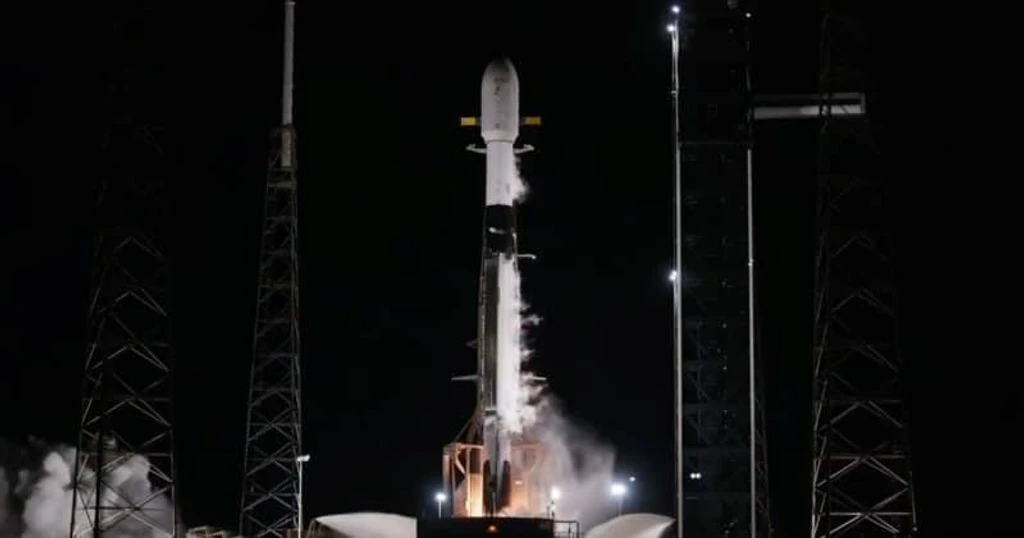
SpaceX is poised to execute the largest initial public offering in history, targeting a $75 billion raise on the Nasdaq. The company plans to list under the ticker SPCX on June 12, 2026, pricing shares at $135 each. This valuation places SpaceX between $1.75 trillion and $1.8 trillion, eclipsing Saudi Aramco’s 2019 record.
Demand has been overwhelming. Approximately $350 billion in bids have been submitted against the $75 billion offer, creating an extreme oversubscription ratio. Major institutional players, including BlackRock, are seeking allocations of up to $5 billion, while sovereign wealth funds have also placed substantial orders.
To manage this liquidity event, SpaceX will release only a 4% public float. This thin supply creates a classic imbalance, likely fueling volatility in early trading as institutions compete for limited shares. Despite raising capital from public markets, founder Elon Musk retains full control through a dual-class share structure, similar to governance models used by Meta and Alphabet.
The move follows a strategic corporate restructuring, including an all-stock merger with Musk’s artificial intelligence venture, xAI, completed in February 2026. Crypto derivatives markets are already pricing in valuations exceeding $2 trillion, signaling broader market anticipation beyond the official IPO price.