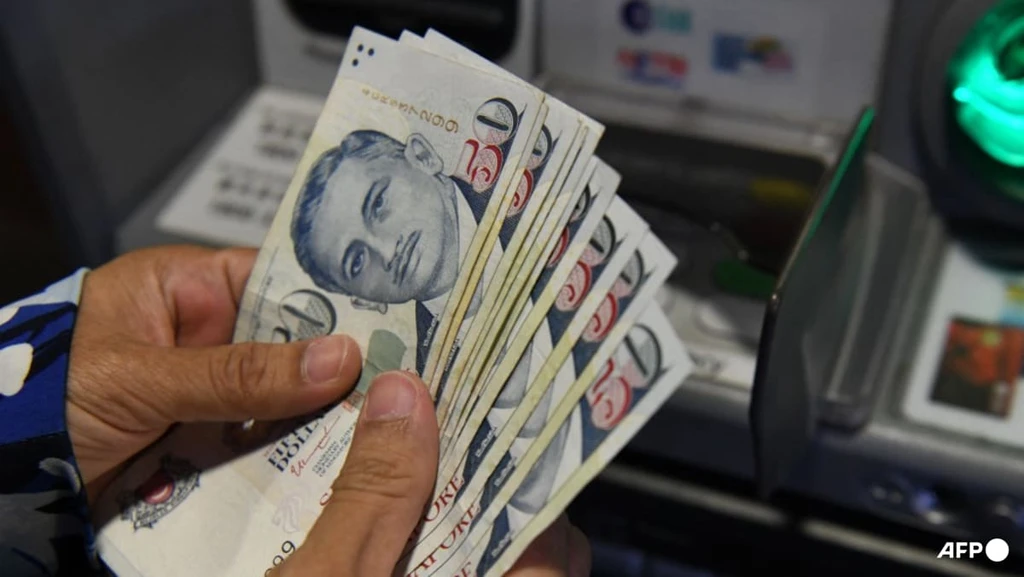
The Singapore dollar (SGD) has reached record highs against several Asian currencies this month, a notable trend despite the impact of the Middle East conflict on energy-importing nations. At its peak, S$1 could buy 13,562 Indonesian rupiah and 125.34 Japanese yen, significantly up from the start of the year.
The SGD's strength is attributed to its safe-haven appeal, driven by Singapore's reputation for stability and its AAA credit rating. Analysts note that global factors, particularly the Middle East conflict, have amplified demand for resilient currencies. Unlike the yen, which has weakened due to Japan's energy import reliance, the SGD benefits from capital inflows and robust growth in sectors like artificial intelligence.
Singapore manages inflation through its exchange rate, not interest rates. The Monetary Authority of Singapore (MAS) allows the SGD to fluctuate within an undisclosed band against its trading partners' currencies. Recently, MAS announced it would "increase slightly" the rate of appreciation of this policy band, signaling a faster strengthening of the SGD to help cushion imported inflation.
While the SGD has shown resilience against the US dollar, experiencing a modest decline, its strength against Asian currencies is a clear positive for Singaporean consumers. A stronger SGD lowers the cost of imports and helps offset rising global inflation, enhancing purchasing power. However, it may make Singapore a more expensive destination for foreign visitors.