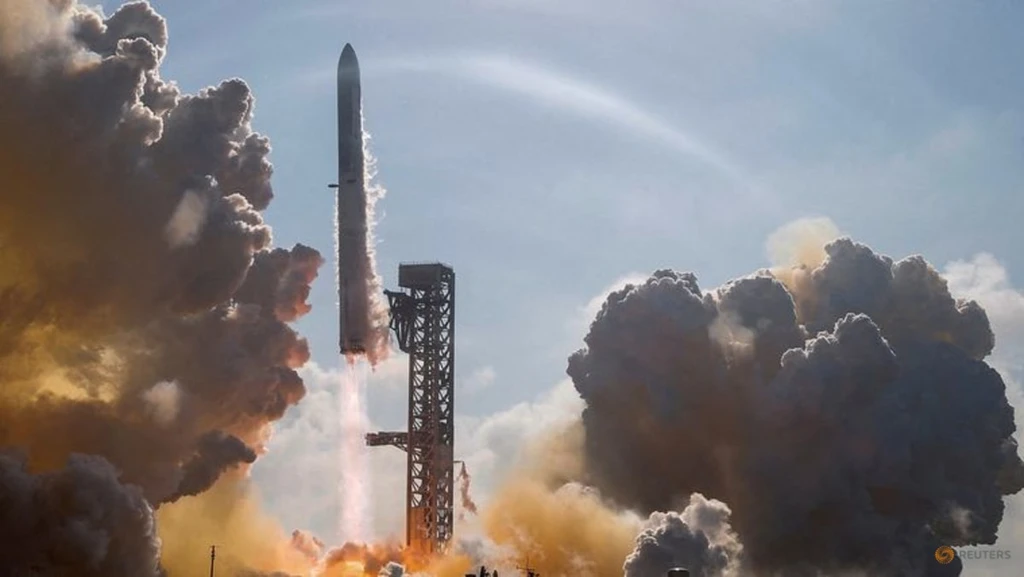
SpaceX, Elon Musk's rocket and satellite communications company, plans a landmark IPO at $135 per share, aiming to raise $75 billion and achieve a valuation of $1.75 trillion. The offering will include 555.6 million shares, with the company bypassing traditional pricing ranges in favor of a fixed price-a highly unusual move.
The company's roadshow begins Thursday, with the IPO expected to debut on Nasdaq under the ticker "SPCX" on June 12. Goldman Sachs, Morgan Stanley, BofA Securities, Citigroup, and J.P. Morgan are underwriting the deal.
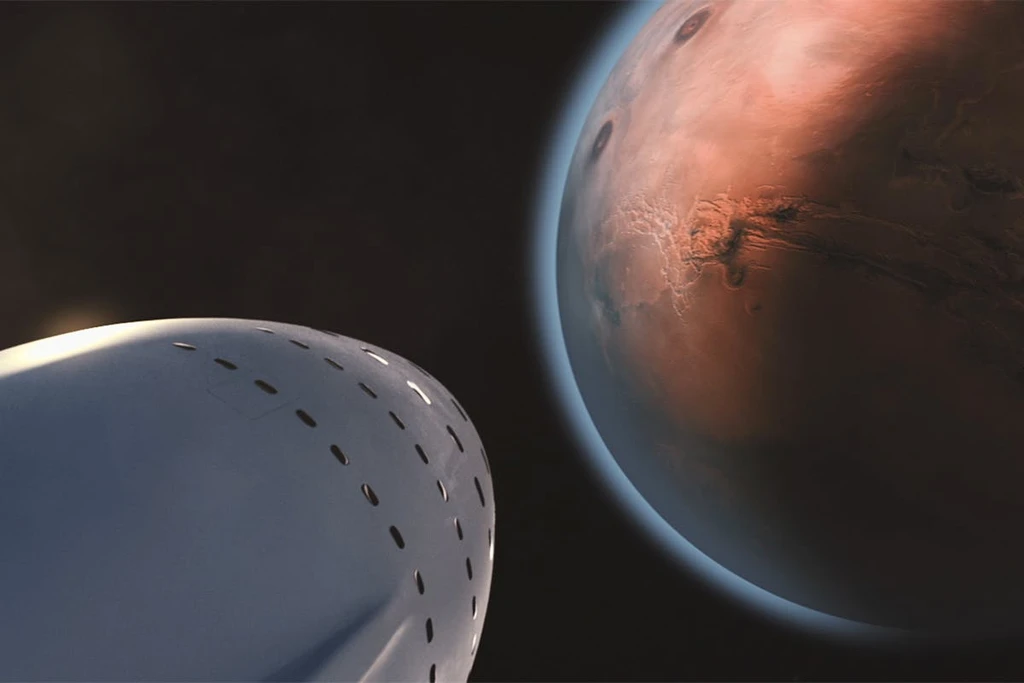
SpaceX's valuation hinges on future markets like Mars missions and AI-powered space data centers, areas that do not yet exist. The company merged with Musk's AI startup xAI earlier this year. While Morningstar values SpaceX at $780 billion-48% below its current private market valuation-the company is targeting a potential $28.5 trillion market tied to solar-powered space data centers.
Financially, SpaceX reported revenue of $4.69 billion in the first quarter, up from $4.07 billion a year ago, but net losses widened to $4.94 billion for 2025 from a profit of $791 million in 2024. The IPO is structured as an all-primary offering, with proceeds allocated to AI computing and Starlink satellite expansion. Musk will retain his shares for 366 days post-IPO.
This listing is expected to trigger a wave of high-profile IPOs from AI giants OpenAI and Anthropic, potentially adding nearly $4 trillion in market cap to public markets. Corporate governance concerns persist due to a dual-class share structure that concentrates voting power with Musk and a small group of insiders.