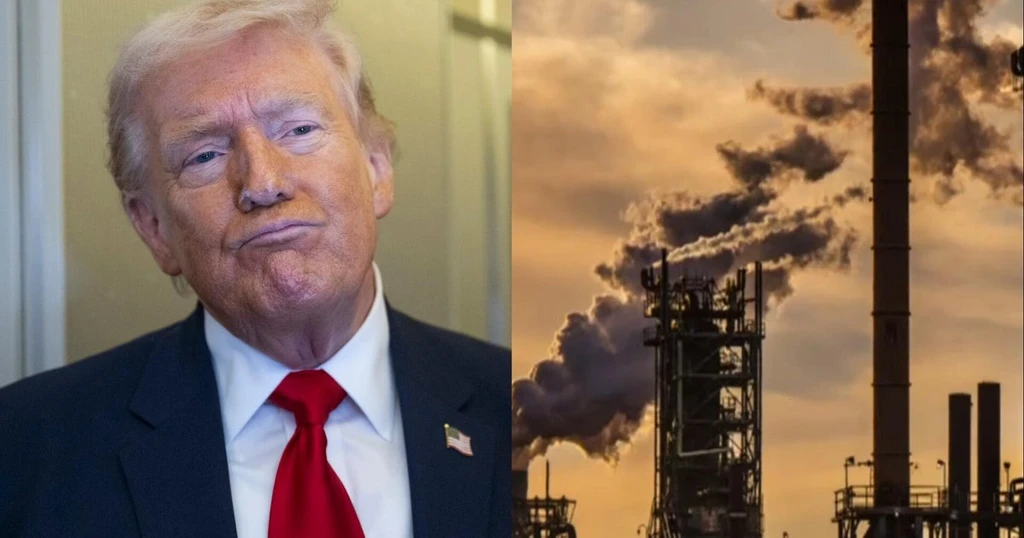
The Trump administration’s efforts to curb soaring energy prices are failing to offset the global supply shock from the closure of the Strait of Hormuz. Gasoline averaged nearly $4 a gallon Friday; Brent crude hit $108 a barrel - up 48% since the Iran war began.
The strait - handling 20% of global oil and gas shipments - remains effectively shut due to regional escalation, halting most shipping traffic.
President Trump ordered release of 172 million barrels from the Strategic Petroleum Reserve, rolling out over 120 days. Experts call it insufficient: Eurasia Group’s Clayton Allen says it’s dwarfed by the 10 million-barrel-per-day Gulf production shortfall. GasBuddy’s Patrick De Haan likened it to “replacing a water main with a straw.”
A 60-day Jones Act waiver allows foreign vessels to move fuel between U.S. ports - potentially cutting prices by just 3 cents per gallon, per the Center for American Progress.
The administration also granted a one-month waiver for Russian oil already at sea and is considering permitting Iranian oil tankers - about 140 million barrels - to transit the Strait of Hormuz. Roughly 80% of Iran’s oil goes to Asia, mostly China.
U.S. allies - U.K., France, Germany, Italy, Netherlands, Japan - pledged readiness to secure Hormuz passage but offered no operational details.
“There’s not a lot else you can do over the short term beyond what’s being done already,” said UC San Diego energy expert David Victor. Reopening the strait would trigger immediate price drops and liquidity recovery.