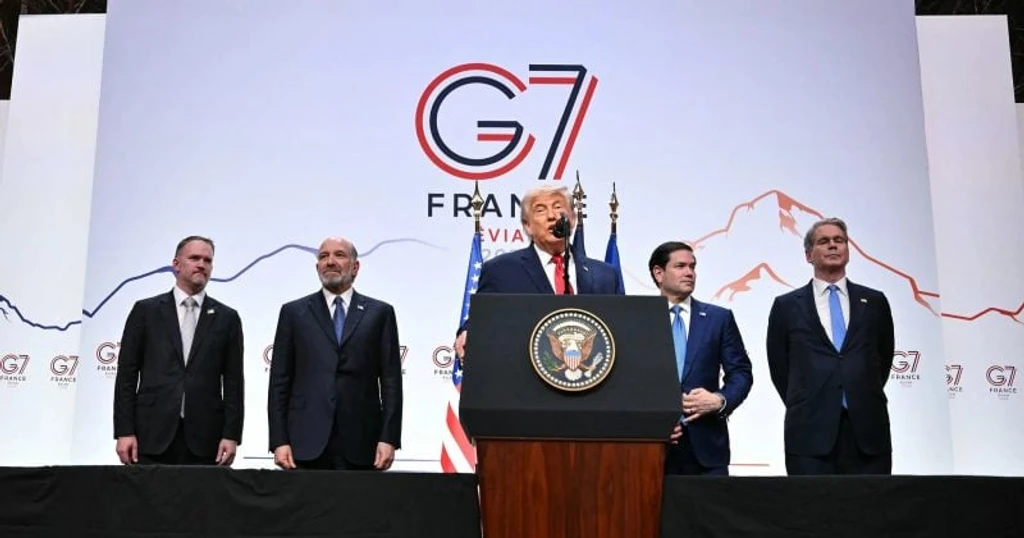
President Trump is actively promoting a new agreement framework with Iran, positioning the deal as a critical measure to prevent economic catastrophe. The proposed terms mandate zero nuclear development, no financial transfers from Washington to Tehran, and guaranteed access through the Strait of Hormuz to maintain global oil supplies. A formal signing is anticipated around June 20 following negotiations largely concluded in late May.
The administration emphasizes this arrangement differs fundamentally from the 2015 JCPOA by eliminating U.S. financial commitments. Securing the Strait of Hormuz remains the strategic centerpiece, as approximately one-fifth of the world’s oil supply transits this waterway. Qatar has reportedly served as a key mediator in reaching this stage, with Trump framing the outcome as a binary choice between a comprehensive agreement or no deal at all.
Financial markets have responded directly to these diplomatic signals. Bitcoin reversed earlier losses following announcements regarding the framework, reinforcing its role as a geopolitical barometer. Simultaneously, U.S. authorities seized approximately $1 billion in crypto assets linked to Iran in late May. This enforcement action demonstrates Washington's capacity to track digital assets used to circumvent sanctions while upholding existing restrictions.
Energy stability and digital asset regulation remain intrinsically linked. Threats to critical shipping lanes historically drive inflation expectations and punish risk assets. Investors should monitor oil futures as a primary proxy for deal credibility; sustained price declines would signal market confidence in Strait security. Furthermore, successful diplomacy could reduce the rationale for aggressive crypto seizures, potentially easing regulatory pressure on exchanges currently flagged for sanctions exposure.