US inflation surged in March, reaching its highest point in four years, primarily driven by elevated gas prices. This increase, though slightly below economist expectations, has contributed to a rise in bond yields, with the 10-year Treasury climbing to 4.32%.
Analysts warn of a prolonged impact from the oil supply shock, noting that while March inflation effects were less than anticipated, April could see a worse outcome. Consumer sentiment slumped in April, with year-ahead inflation expectations spiking to 4.8%. This persistent inflation remains a significant concern for the Federal Reserve, which is likely to maintain steady interest rates to combat reheating prices, potentially even considering a rate hike if inflation doesn't cool.
Most S&P 500 companies experienced declines, led by the health care and financial sectors. Eli Lilly and Co. fell 1.6%, and Charles Schwab closed 2.5% lower. However, technology stocks provided some counterbalance, with Nvidia rising 2.6% and Broadcom up 4.7%.
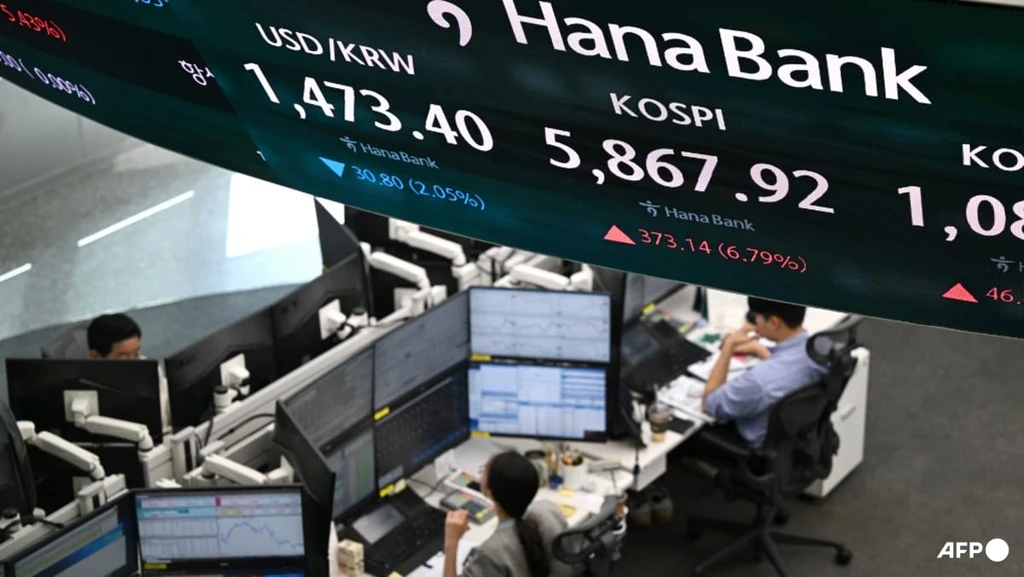
Overall, the S&P 500 closed down 7.77 points at 6,816.89. The Dow Jones Industrial Average dropped 269.23 points to 47,916.57, while the Nasdaq Composite gained 80.48 points to 22,902.89. Markets in Asia saw gains, while European markets were mixed.