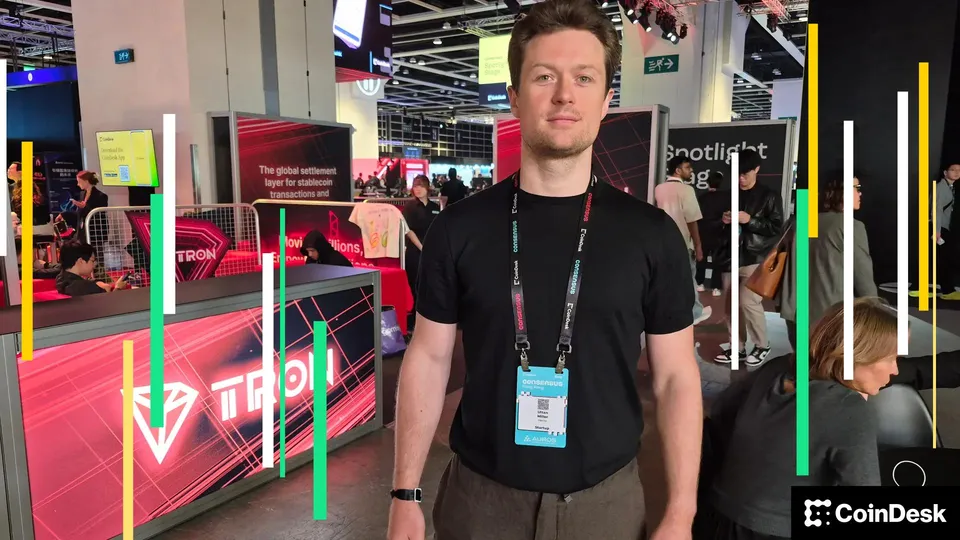
A significant legal debate over tokenized pre-IPO shares dominated Consensus Hong Kong 2026. Ultan Miller, CEO of Hecto Finance, presented a vision for a blockchain-based index offering everyday investors exposure to high-value private companies. However, this concept faces strong opposition.

Edwin Mata, CEO of tokenization platform Brickken, cautioned that tokenizing company shares without explicit consent risks severe legal repercussions and investor losses. He pointed to the projected $30 trillion market for tokenized real-world assets by 2030, warning that inexperienced players entering the space could lead to chaos and significant financial harm.
The controversy echoes past events, such as Robinhood's 2025 launch of tokenized equities in Europe. OpenAI publicly disavowed unauthorized "OpenAI tokens," emphasizing that any equity transfer requires their explicit approval. This incident underscored the core issue: what investors are truly purchasing when private company shares are referenced on the blockchain without issuer authorization.
Miller acknowledges the "grey area" but maintains Hecto's structure is distinct, viewing tokenization as an inevitable transition for traditional securities onto programmable platforms. Hecto aims to create "Hectocorns" - elite private companies like SpaceX and OpenAI - within a single on-chain token for diversified investor access. The mechanism involves investors depositing capital into a vault, receiving tokens representing proportional performance exposure. The index is dynamic, with proceeds from company exits potentially benefiting token holders, and governance token holders voting on index composition.
Despite Miller's optimism, legal experts like Mata stress that tokenization is a technological overlay on existing corporate law. Without issuer consent and adherence to securities regulations, it can misrepresent rights and create governance uncertainty. True liquidity, he argues, requires compliant secondary markets, credible settlement infrastructure, and regulatory clarity, which are still developing.
While Hecto's index could reshape private market exposure distribution, its success hinges on issuer cooperation, regulatory compliance, and functioning secondary markets. The debate at Consensus Hong Kong 2026 solidified that tokenization of private equity is an emerging asset class facing significant, unresolved challenges.