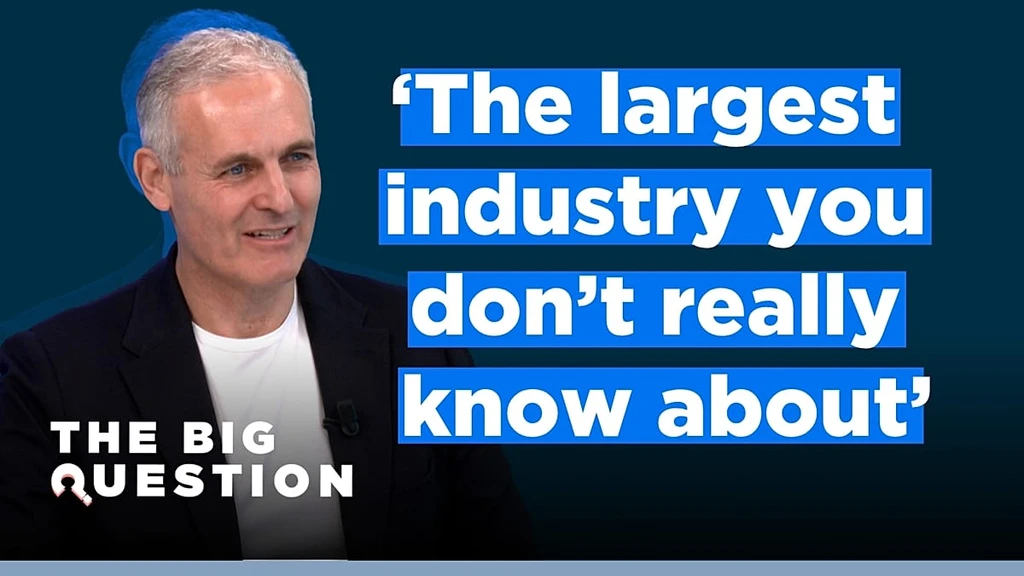
Road transport handles about 80% of Europe's inland freight, contributing roughly 3.75% to the EU’s total GDP. Yet, according to Lyall Cresswell, CEO of the Transport Exchange Group, it remains one of the continent’s least understood industries.
The entire European freight and logistics market was valued at $1.47 trillion in 2025, with road freight generating over €400 billion annually. TEG connects over 10,000 businesses and expects to manage about 3 million loads this year alone.
Fuel represents approximately 30% of the cost for transport companies. With razor-thin margins, firms must navigate price volatility while managing cash flow-often paying for fuel long before receiving payment for services. As fuel prices rise, so do prices on supermarket shelves.
The industry employs over 3 million people across Europe, but a shortfall of drivers is worsening. In 2024, unfilled driver positions nearly doubled from 233,000 to 426,000, rising again in 2025 to 444,000. Projections suggest 745,000 unfilled roles could loom.
“50% of German truck drivers are over the age of 55,” Cresswell noted, pointing to a broader trend. Traditional long-haul routes keep drivers away from home for days or weeks, making the job less appealing.
Technology may offer a lifeline. AI-powered route planning could help haulage companies do more with fewer drivers. Cresswell also sees a future for point-to-point driverless trucks on highways, though first-mile and last-mile delivery automation remains further off.
Improving public infrastructure-like safe and secure parking-is also critical to attracting new drivers.