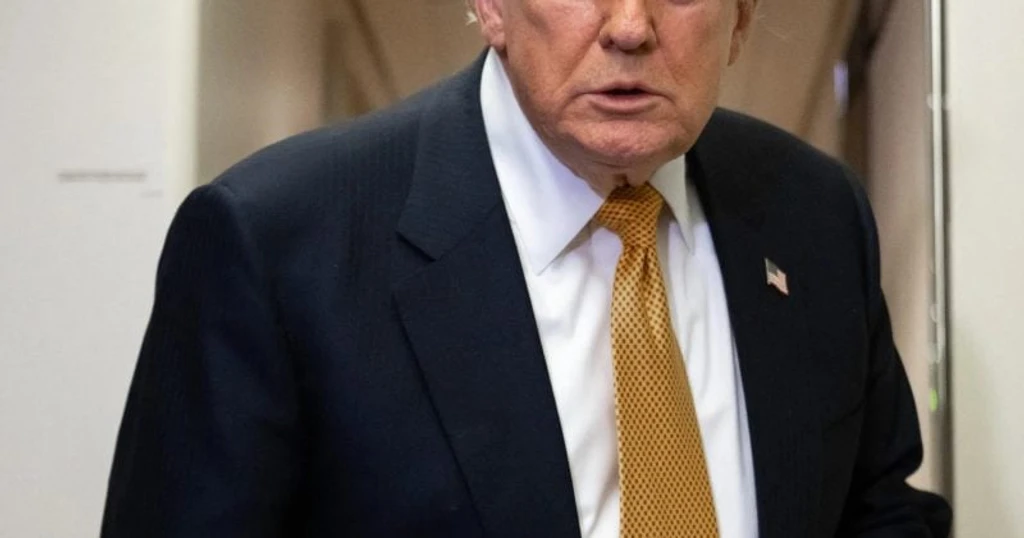
President Donald Trump has agreed to support the Sanctioning Russia Act of 2025. The bipartisan bill would impose a 500% tariff on imports of Russian petroleum, uranium, and other goods from non-compliant countries. The agreement, reached on July 10, 2026, marks a significant pivot for the administration.
The bill, formally designated S.1241, had been in Congress for over a year. It includes trigger mechanisms that activate additional sanctions if Russia refuses peace negotiations, violates agreements, or invades Ukraine again. Senator Lindsey Graham, who co-authored it with Democrat Richard Blumenthal, framed the deal as a major boost to pressuring Moscow.
The current draft contains no specific provisions targeting cryptocurrency. However, Russia has moved over $2.2 billion through its A7A5 ruble-backed token network, a crypto infrastructure designed to circumvent sanctions. That network was sanctioned in 2025.
Crypto companies in sanctions compliance, including blockchain analytics firms, stand to benefit from increased demand for monitoring services. Agencies like OFAC and FinCEN can extend compliance requirements to digital asset service providers without new legislation. Exchanges and DeFi protocols with exposure to Russian-linked wallets should prepare for heightened scrutiny.