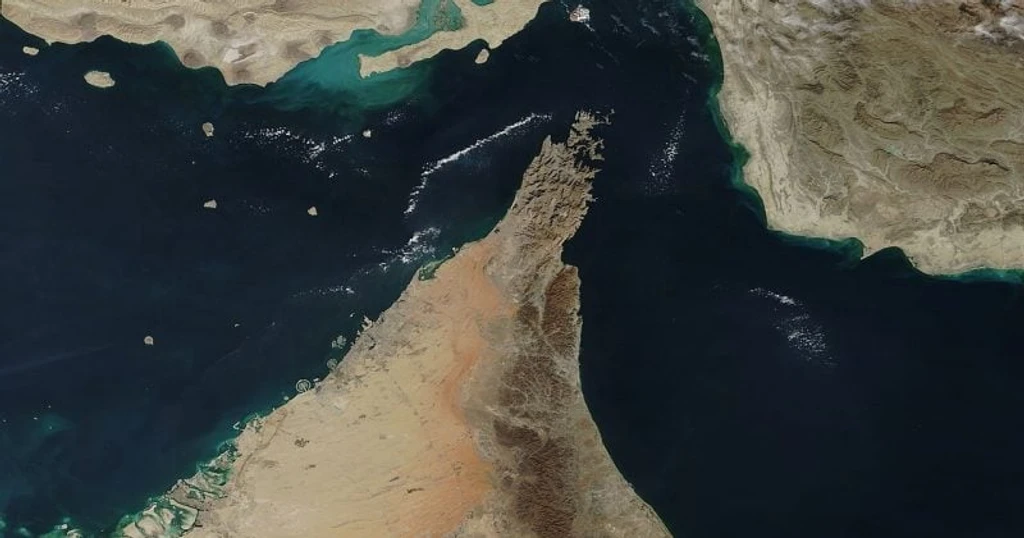
President Trump announced Monday that commercial shipping is resuming in the Strait of Hormuz, with full operations expected by Friday, June 19. This declaration follows a weekend ceasefire agreement with Iran that ends the US naval blockade and restores toll-free passage through the critical waterway.
Roughly 25% of global oil trade transits this chokepoint, which has been largely closed since late February 2026. The new agreement establishes a 60-day window for renewed nuclear negotiations. During this period, the US is partially lifting its blockade while vessels transit without tolls. Oil markets responded immediately, dropping to levels not seen since early March.
Despite political optimism, industry experts warn that full commercial capacity faces significant logistical hurdles. Extensive mine clearance remains the primary obstacle, requiring specialized equipment and time to ensure safety for massive tankers. Additionally, coordinating naval escorts for daily transits presents a complex operational challenge that cannot be resolved overnight.
Investors should view the current price drop as a relief trade rather than a permanent resolution. The 60-day framework ties stability directly to nuclear talks; if negotiations collapse in August, geopolitical risk premiums will likely return. Market participants must now monitor actual transit volumes, mine clearance progress, and diplomatic tone over the coming weeks.