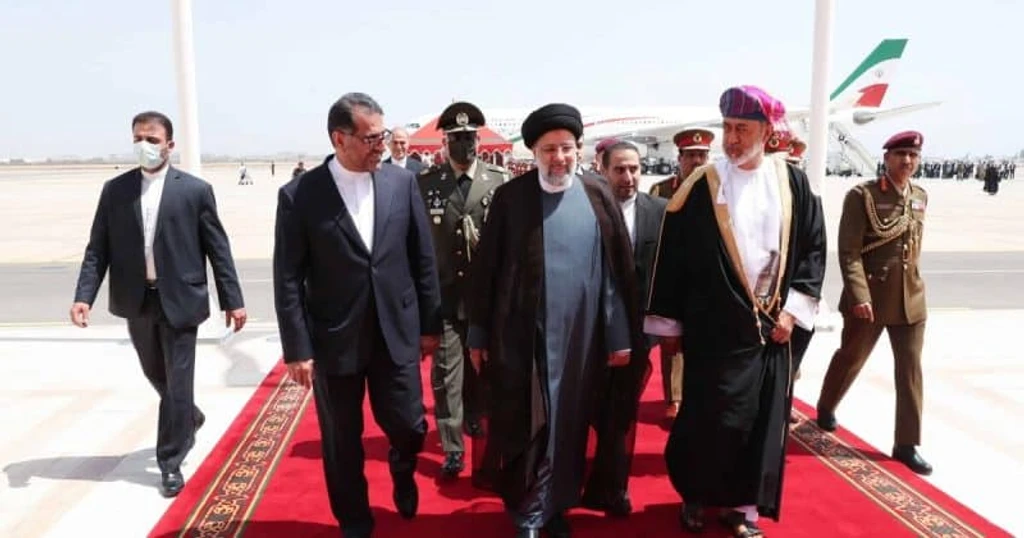
A Boeing 737 reportedly transported approximately $3 billion in Iranian assets from Abu Dhabi to Tehran between June 8 and 9, 2026. This flight allegedly marks the initial installment of a broader $10 billion arrangement between the United Arab Emirates and Iran. Israeli news outlets claim the deal was brokered with US involvement to halt Iranian military actions against Israel and Gulf infrastructure.
Official channels remain silent or dismissive. The UAE, the United States, and Iranian state media have either denied the transaction or offered no comment. Mehr News Agency, a semi-official Iranian outlet, stated on June 12 that no blocked assets had been released. Consequently, the narrative rests primarily on Israeli reporting citing contacts within the Islamic Revolutionary Guard Corps (IRGC).
The reported $10 billion figure mirrors previous mechanisms where Iran accessed frozen funds through sanctions waivers in nations like Oman and Iraq. Historically, such funds were restricted to humanitarian purposes under international oversight. If confirmed, this transfer would signal a notable shift from Abu Dhabi’s traditional alignment with Washington’s maximum-pressure strategy toward Tehran.
For investors, the primary implication lies in energy markets. Iran holds the world’s fourth-largest proven oil reserves. Any perception that sanctions enforcement is weakening could depress crude prices as traders anticipate increased Iranian supply. While the transfer involves traditional assets rather than digital currencies, the geopolitical ripple effects remain significant for global commodity strategies.
Market participants should monitor official government responses, Brent crude pricing trends, and potential shifts in US sanctions policy to gauge the validity and impact of these reports.