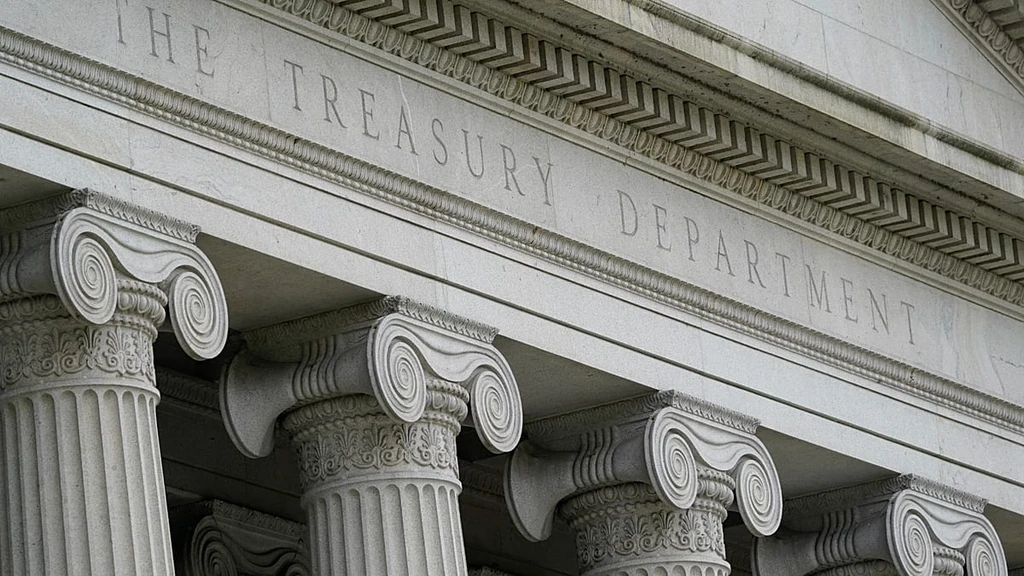
Long-term US borrowing costs climbed above 5% for the first time since the 2007 global financial crisis, following a Treasury auction of $25 billion in 30-year bonds at a high yield of 5.058%.
The sale came hours after the Senate confirmed former Federal Reserve governor Kevin Warsh as the next chairman, replacing Jerome Powell.
At time of writing, the 30-year bond is trading at 5.02%, while the 10-year note yields 4.44%.
US inflation figures released earlier this week show consumer prices rose 3.8% from a year ago, driven largely by the 10-week Iran war pushing energy costs higher, distancing inflation from the Fed's 2% target.
Producer price data also points to persistent cost pressures across the economy, reinforcing expectations the central bank may struggle to ease policy quickly.
Rising Treasury yields have broad economic implications, influencing mortgage rates, corporate debt, and government borrowing costs as public debt nears $40 trillion.
Kevin Warsh inherits a delicate policy environment. The former Morgan Stanley banker has argued for maintaining the central bank's credibility on inflation while supporting reforms to communication strategy and balance sheet policies.
The main driver of rising inflation is disruption to global energy markets from the Iran war, leaving the central bank at the mercy of geopolitics.
Analysts say the Treasury auction illustrates the immediate challenge confronting the incoming Fed chair. Elevated bond yields can tighten financial conditions without rate hikes but amplify risks for indebted households, businesses, and government.