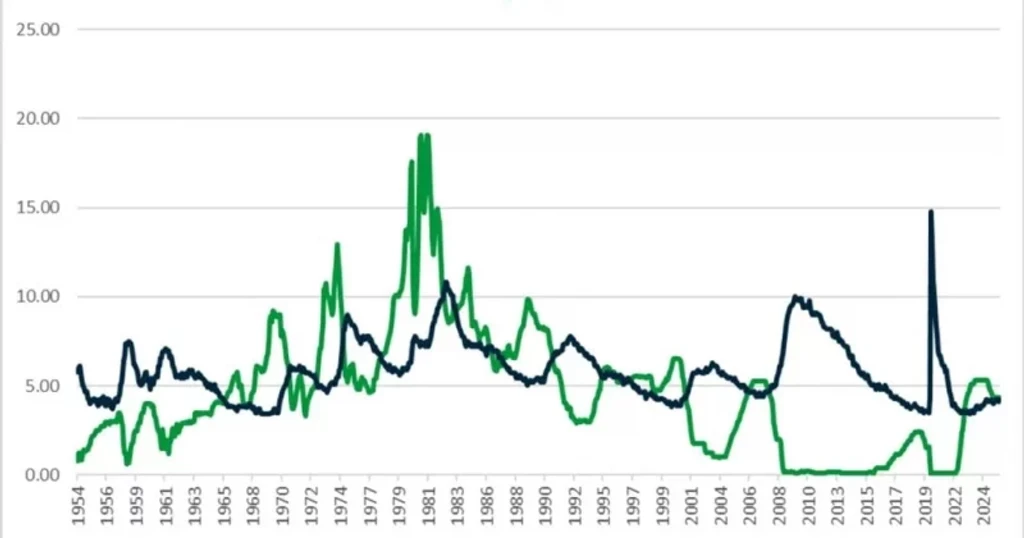
Bond traders are now pricing in potential Federal Reserve rate hikes as early as mid-2027-a dramatic reversal from the dovish expectations that dominated just months ago. The next major test arrives June 5, when the May employment report will either confirm or challenge the narrative that the US economy is running too hot for easing.
April’s nonfarm payrolls beat expectations at 115,000, with unemployment steady at 4.3% and year-over-year wage growth at 3.6%-well above the level the Fed considers consistent with its 2% inflation target. A strong May jobs number could erase any remaining hope for easing.
Oil prices, driven higher by geopolitical tensions in the Middle East, are effectively tightening financial conditions by the equivalent of roughly 75 basis points of Fed tightening.
The July FOMC meeting will be a critical signpost. Newly appointed Fed Chair Kevin Warsh will lead the session, and markets are watching for any signal on whether the central bank removes its easing bias-a move that would formalize the current bond market pricing of rate hikes by mid-2027.