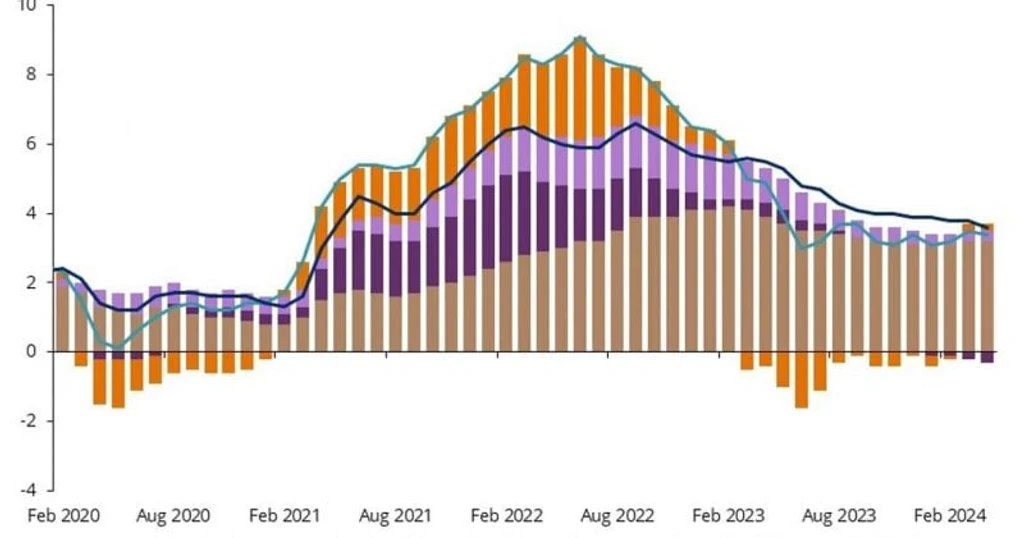
US consumer prices climbed 3.8% year-over-year in April, the highest annual inflation rate in three years. The number lands nearly double the Federal Reserve's 2% target, pouring cold water on hopes for an imminent rate cut.
A 3.8% annual inflation rate represents a meaningful reversal of the disinflation trend that had been building since 2023. Higher inflation pushes Treasury yields upward and strengthens the US dollar, making risk assets from tech stocks to Bitcoin less attractive. The 'higher for longer' narrative is now thriving.
For crypto, hot inflation prints typically trigger immediate sell-offs as traders reprice rate-cut expectations. Bitcoin has historically performed well during periods when inflation declines from elevated levels; April's print disrupts that setup. However, persistently high inflation strengthens Bitcoin's store-of-value narrative: when fiat purchasing power erodes at nearly 4% per year, the pitch for a fixed-supply digital asset gets louder.
Traders should expect initial volatility and potential downside pressure, followed by stabilization as the market digests the data and reassesses where the Fed goes from here. Repeated inflation surprises have forced markets to abandon aggressive rate-cut expectations that fueled risk-on rallies.