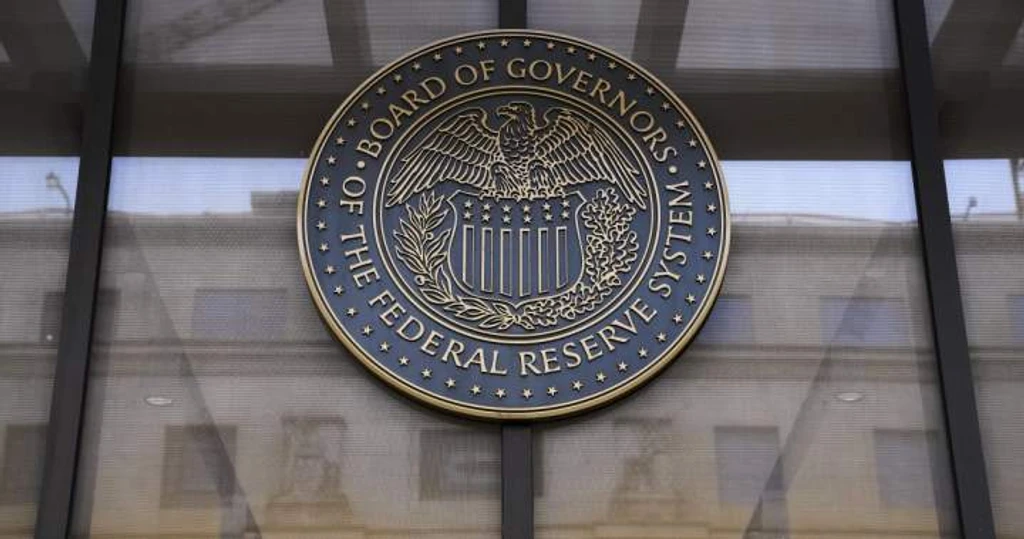
The U.S. Federal Reserve has kept its benchmark interest rate unchanged for the third consecutive meeting, maintaining it at 3.6%. Despite this decision, the central bank signaled the possibility of rate cuts in the coming months. This move was met with significant dissents, the most notable since October 1992.
Three officials dissented, advocating for the removal of language suggesting a future cut, while a fourth dissented in favor of an immediate reduction. These dissents highlight divisions on the Fed's rate-setting committee. The Fed cited "developments in the Middle East" and elevated inflation, partly due to increased global energy prices, as key factors contributing to economic uncertainty.
Officials who dissented against hinting at future rate cuts included Beth Hammack, president of the Federal Reserve Bank of Cleveland; Neel Kashkari, president of the Minneapolis Fed; and Lorie Logan, president of the Dallas Fed. Stephen Miran, appointed to the Fed's Washington board by Trump, dissented in favor of an immediate rate cut.
Leadership transitions add another layer of complexity, with Chair Jerome Powell's term ending May 15. His successor, Kevin Warsh, has advocated for rate cuts, though high inflation may complicate such policy shifts. Powell may also choose to remain on the board of governors after his term as chair, a rare move that could influence future Fed policy and create a "two Popes" scenario on the board.
The economic landscape presents a challenge for the Fed. Inflation has risen to 3.3%, influenced by soaring gas prices. Simultaneously, hiring has slowed considerably, typically a signal for rate cuts, yet low layoff rates and a low unemployment rate of 4.3% suggest a cautious approach to monetary policy.