US inflation climbed to 3.3% in March, a significant jump from February's 2.4%, according to the Bureau of Labor Statistics. Monthly prices rose 0.9%, the largest increase since 2022.
Core inflation, excluding food and energy, saw a modest rise to 2.6% year-on-year. The surge is largely attributed to a 20% spike in US gas prices during March, fueled by disruptions to global oil supplies amidst geopolitical tensions in the Middle East. This has impacted household spending and raises concerns about short-term economic growth.
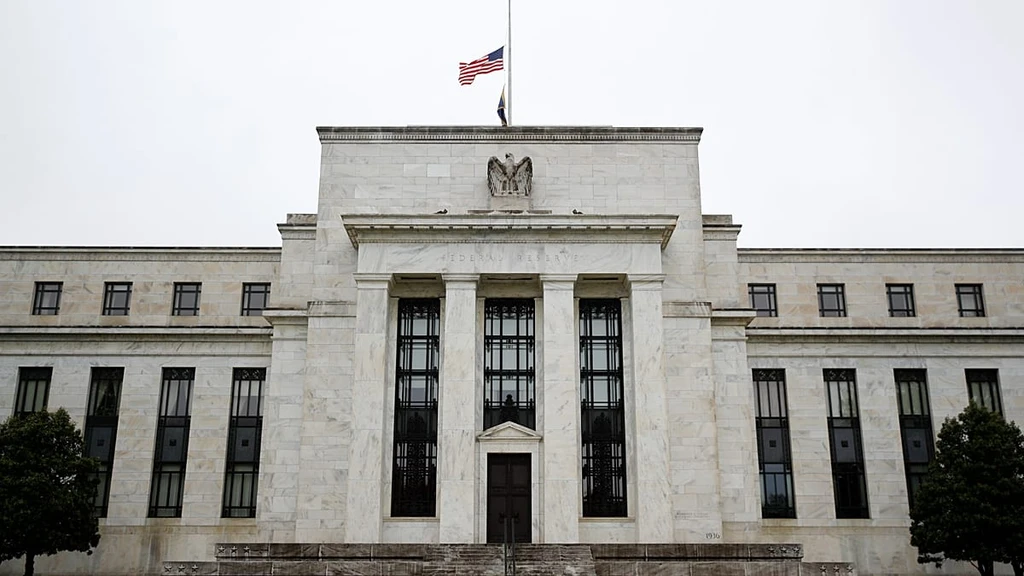
Unlike previous inflation episodes, this current rise appears more contained, primarily driven by energy costs linked to the ongoing Iran conflict. This acceleration arrives at a critical moment for the Federal Reserve as it considers its next monetary policy moves.
Federal Reserve officials, including San Francisco Fed President Mary Daly, anticipated an uptick in the CPI data. Daly noted that a quick resolution to the Iran conflict and a subsequent drop in oil prices could still leave room for a rate cut, contingent on the persistence of a ceasefire. The Federal Open Market Committee (FOMC) will assess the situation at its upcoming meeting on April 28-29.