The escalating conflict between the United States and Iran, which began with military strikes on February 28, 2026, is having significant economic consequences. The closure of the Strait of Hormuz, a critical chokepoint for global oil trade, has driven crude oil prices to around $100 per barrel and pushed U.S. gasoline prices above $4 per gallon. As a result, Consumer Price Index (CPI) inflation surged to 3.3% year-over-year in March 2026.
Markets are now pricing in a sharply reduced chance of a Federal Reserve rate cut by June. On Polymarket, the probability of a rate cut at the June meeting has fallen to 3.1%, down from 4% just 24 hours ago. The broader market for Fed Rate Cuts Predictions for 2026 now favors a scenario where the central bank maintains or even raises rates, rather than cutting.
Although a temporary ceasefire has been announced, the risk of prolonged high energy prices persists. This inflationary pressure is forcing the Federal Reserve to prioritize price stability over monetary easing. Analysts warn that sustained energy costs could delay any rate cuts until late 2026 or beyond.
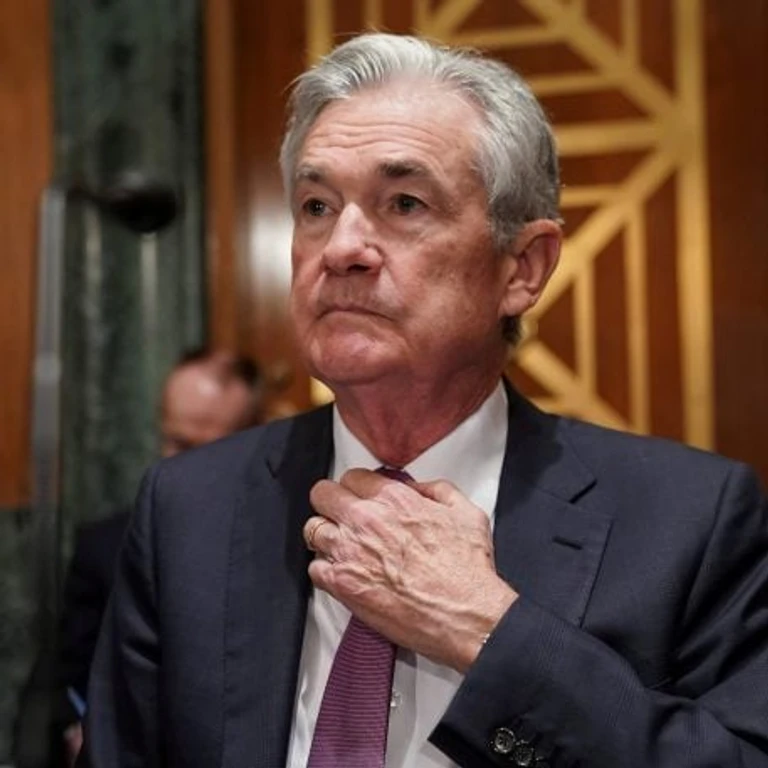
Investors are closely watching upcoming CPI reports, statements from Fed Chair Jerome Powell, and FOMC meetings for further guidance. The geopolitical situation-particularly regarding the Strait of Hormuz-remains the key variable shaping the economic outlook.