A quiet revolution is reshaping US small business succession as baby boomer owners approach retirement.
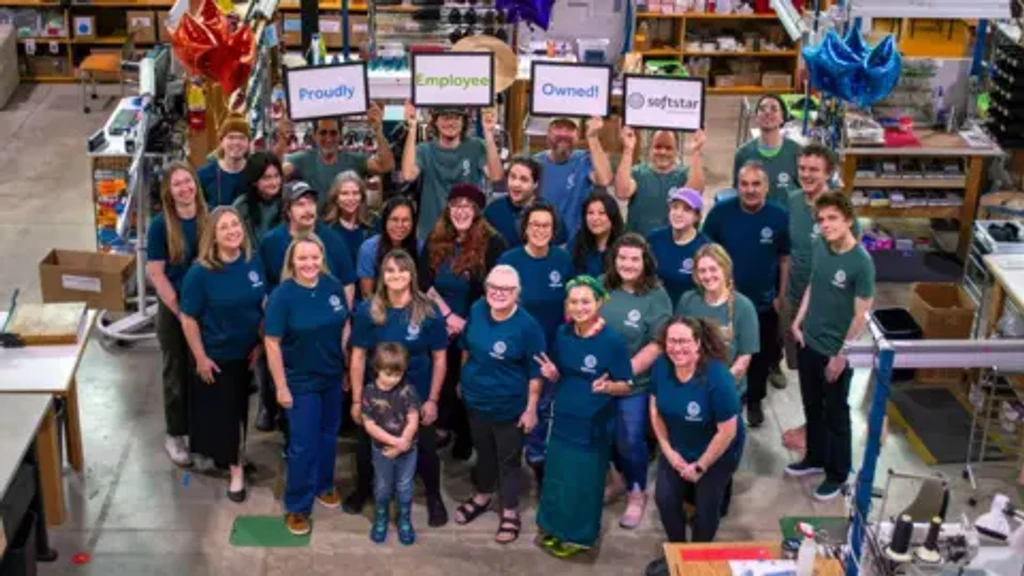
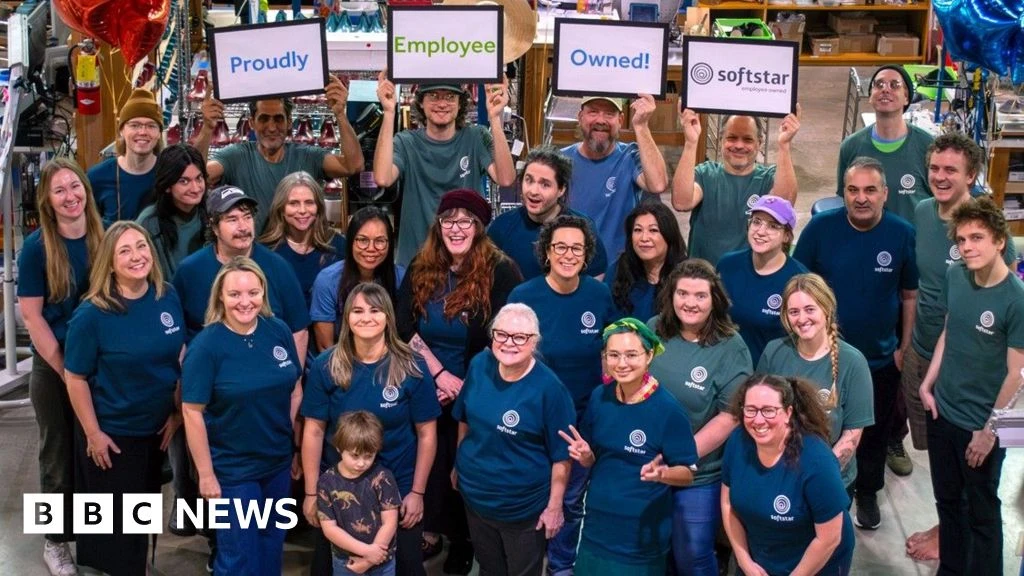
Staff at Softstar Shoes in Oregon now own the business after founder Tricia Salcido, 56, sold the firm to her 30 employees in January. Salcido chose an Employee Ownership Trust to prevent her artisanal shoemaking from being moved offshore by a corporate buyer. “It’s something you put your life's work into,” she said, noting a surge in staff engagement and cost-saving ideas.
McKinsey reports that roughly six million small and medium-sized business owners will retire between now and 2035, creating a generational ownership transfer.

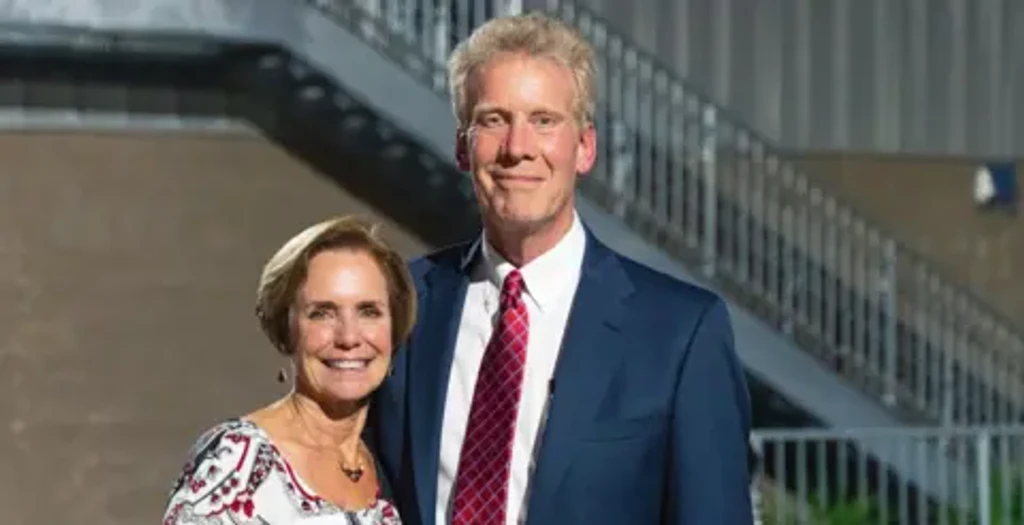
William Stockwell made a similar decision for Stockwell Elastomerics, a Philadelphia manufacturer founded by his great-grandfather in 1919. Using an Employee Stock Ownership Plan, or ESOP, he avoided a sale that might have shuttered the plant. “I'm accepting payments over 10 years,” he admitted, calling it a short-term financial sacrifice.
Investment funds for these deals surged to $865 million in 2025. Harvard Business School’s Ethan Rouen notes that employee-owned firms often see productivity boosts and attract younger workers disillusioned with traditional corporate inequality. However, the complexity and slow payout structure remain barriers, alongside minimal public awareness.

In Pennsylvania, 71-year-old Paul Silvis is preparing to ride "off into the sunset" by selling SilkoTek Corporation to his staff. With bipartisan support in Congress and a new Department of Labor initiative, experts predict the conversion rate will accelerate.