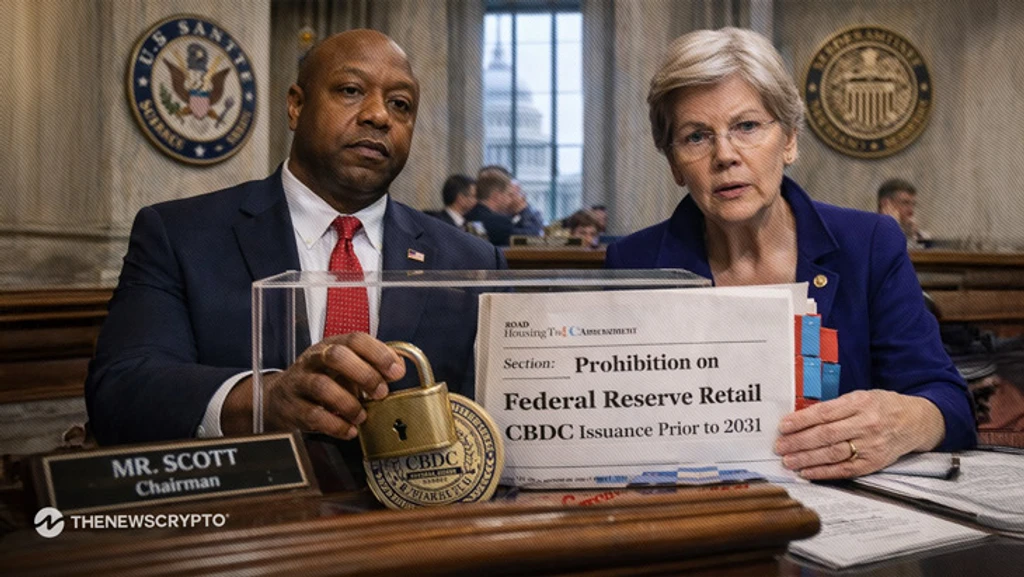
A bipartisan U.S. Senate housing bill now includes a provision banning the Federal Reserve from issuing a retail central bank digital currency (CBDC) until at least 2031. This addition to the 21st Century ROAD to Housing Act marks a significant congressional move on digital currency policy, placing restrictions on a potential digital dollar accessible to the public.
The prohibition requires explicit permission from Congress for the Fed to issue a CBDC to consumers, though research and experimentation are still permitted. The focus of the ban is on public issuance and use by individuals or businesses, with the sunset date sparking debate on its adequacy for technological advancements.
This measure underscores ongoing congressional concerns about privacy, surveillance, and financial stability related to CBDCs. Critics argue that a Fed-issued CBDC could disrupt the traditional banking system and compromise consumer privacy. The ban's long duration suggests a cautious legislative approach, potentially impacting future development strategies for financial technology and digital asset platforms.
While the bill awaits further committee review, its inclusion in housing legislation aims to increase its chances of consideration amid broader budget debates. The outcome could lead financial markets to reassess prospects for U.S. digital currency policies.