American and Iranian officials executed an interim peace agreement electronically on June 15, ending over 100 days of conflict. This memorandum of understanding extends the current ceasefire by 60 days and initiates negotiations regarding Tehran’s nuclear program and Western sanctions. A formal signing ceremony is scheduled for June 19 in Geneva.
US President Donald Trump and Vice President JD Vance signed for the United States, while Iranian Parliamentary Speaker Mohammad Bagher Ghalibaf represented Tehran. Pakistan and Qatar served as key mediators, with Pakistani Prime Minister Shehbaz Sharif actively bridging diplomatic gaps between Washington and Tehran.
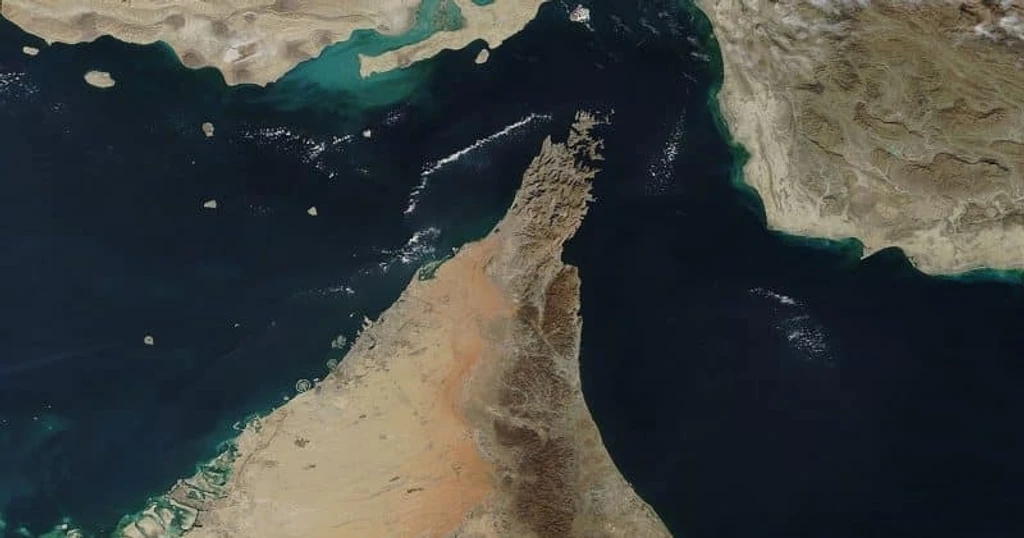
Crucially, the agreement mandates the reopening of the Strait of Hormuz and the removal of the US naval blockade on Iranian ports. Approximately one-fifth of the global oil supply transits this waterway daily. Sources indicate the undisclosed text includes sanctions relief measures, though the entire framework collapses if nuclear talks fail to produce progress within two months.
Market implications are immediate. Reopening the strait eliminates a primary supply disruption risk currently priced into crude futures. While bearish for medium-term oil prices, this development favors downstream industries through reduced input costs. Energy sector trading volumes have already surged as investors reposition for freer Iranian oil flows.
Financial markets also anticipate increased demand for crypto-based infrastructure. Iran has historically utilized digital assets to circumvent restrictions, and potential sanctions relief could accelerate on-chain activity as cross-border financial channels normalize.