The US Department of Energy has authorized a massive release of 172 million barrels of crude oil from the Strategic Petroleum Reserve. This move, executed on March 11, 2026, serves as a critical component of a coordinated 400-million-barrel drawdown by the International Energy Agency.
The decision responds directly to escalating conflict in Iran and subsequent disruptions in the Strait of Hormuz, a chokepoint for twenty percent of global oil flows. Rather than direct sales, the DOE is utilizing loan and exchange mechanisms with industry giants like BP and ExxonMobil. These firms receive immediate access to crude but must return the volume plus a premium later.
Following the initial authorization, an additional 53 million barrels were released in May 2026. The administration plans to refill the reserve with approximately 200 million barrels over the coming year, asserting the process will incur no taxpayer cost.
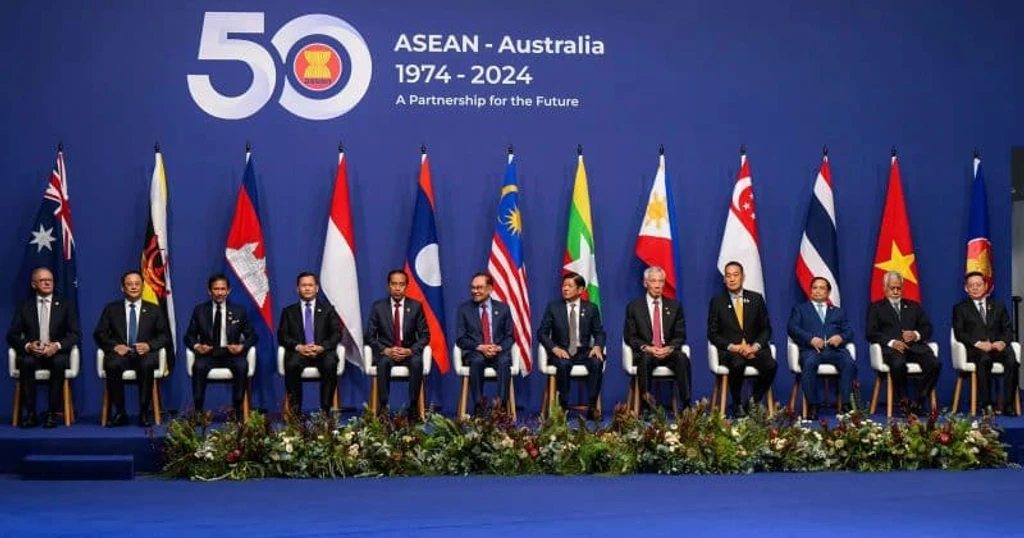
Simultaneously, the US is strengthening energy ties with ASEAN nations. Washington is increasing liquefied natural gas and petroleum gas sales to Southeast Asia, aiming to diversify regional supply chains and reduce dependence on single suppliers. While distinct from the SPR drawdown, this strategy positions US Gulf Coast exporters for long-term growth in Asian markets.
Investors should note the dual pressure on oil prices. The immediate release creates downward pressure, yet the future government mandate to repurchase 200 million barrels could drive prices higher in late 2026 and 2027. Companies participating in the loan exchanges face balance sheet risks depending on future price differentials.