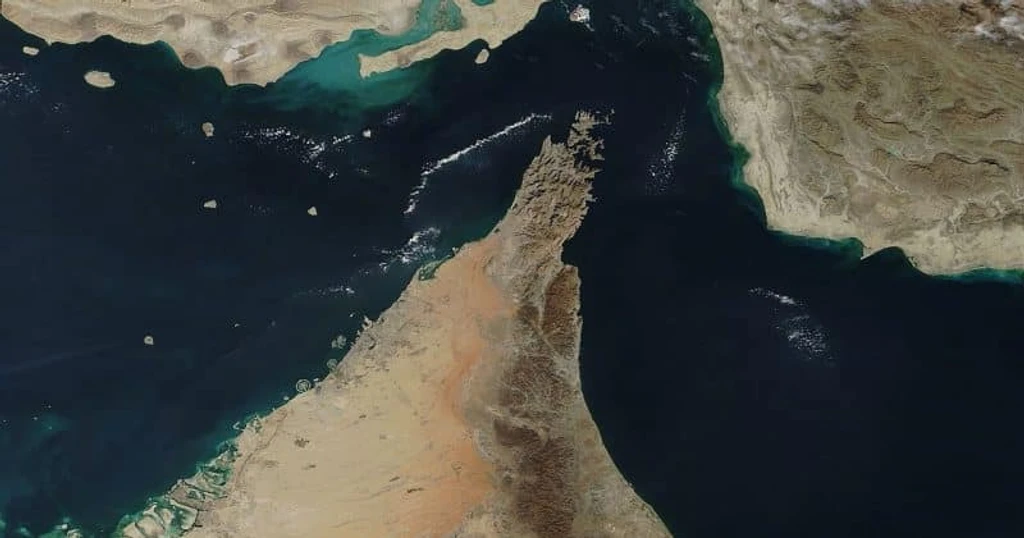
The global oil market faces heightened risk after the largest supply disruption in history. The International Energy Agency and analytics firm Kpler confirm over 1.15 billion barrels were lost from global supplies following the Strait of Hormuz crisis, which began with an Iran conflict in early 2026.
Emergency releases totaling 2.5 million barrels per day for four months prevented immediate collapse. However, those buffers are now largely depleted. The U.S. Strategic Petroleum Reserve is at its lowest level in 40 years, and OECD inventories are projected to fall to under 2.3 billion barrels by year's end.
A June 2026 U.S.-Iran memorandum reopened the strait, easing immediate pressure and allowing Brent crude to ease from May highs. The fundamental risk, however, persists. With strategic reserves at multi-decade lows, any future disruption could trigger a sharper, faster price spike.
The critical factor for markets is the pace of inventory rebuild. Until stockpiles are meaningfully replenished, every unexpected barrel of lost supply or increased demand will have an outsized impact on prices.