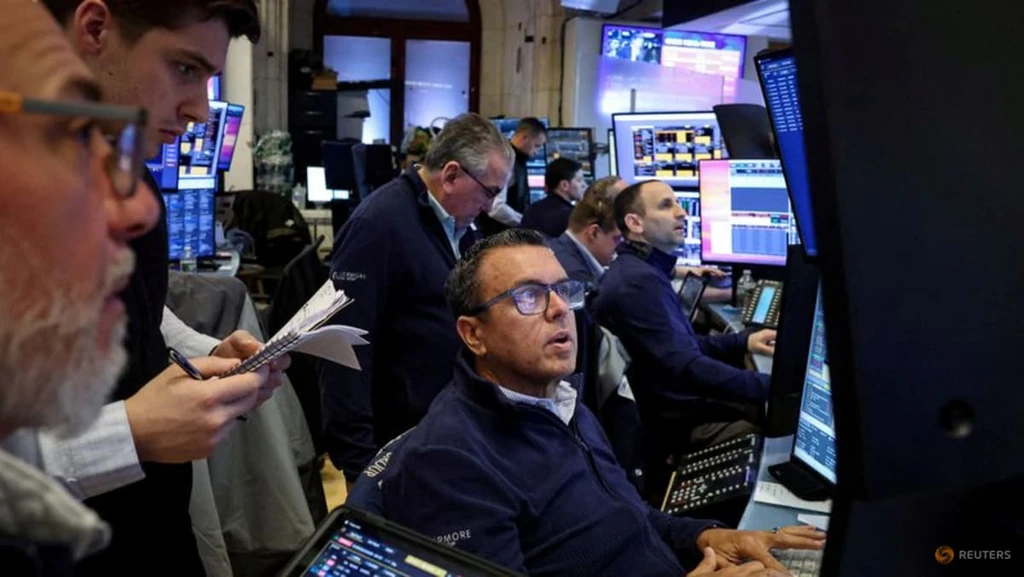
Global stock markets and U.S. government bonds experienced significant declines on Thursday, coinciding with a sharp rise in oil prices. The escalating conflict between the U.S. and Iran, now in its sixth day, is fueling supply fears and driving a selloff in bonds.
Fighting intensified with reports of heavier bombing, while Iran launched missiles at Israel and vowed retaliation against U.S. interests. This geopolitical instability has led to an increased risk of the crisis impacting other oil-producing nations, with multiple oil tankers attacked in Gulf waters.
Market strategists highlight concerns over potential oil price spikes and disruptions in the Strait of Hormuz. This volatility comes ahead of the U.S. non-farm payrolls report, with potential investor worries about labor market risks from artificial intelligence developments.
On Wall Street, the Dow Jones Industrial Average fell 1.59%, the S&P 500 dropped 0.60%, and the Nasdaq Composite saw a 0.21% decrease. The pan-European STOXX 600 index declined 1.29%. In contrast, Asian markets showed mixed performance, with South Korea's KOSPI surging and Japan's Nikkei and Chinese shares climbing.
The U.S. dollar strengthened against a basket of currencies, as investors sought safe-haven assets. Bitcoin and Ethereum also saw declines in the cryptocurrency market. U.S. Treasury yields continued to rise, reflecting concerns that higher oil prices could fuel inflation and influence Federal Reserve policy.
U.S. crude oil prices jumped 6.44% to $79.47 a barrel, and Brent crude rose 3.81% to $84.50 per barrel, driven by supply disruptions. Gold prices reversed earlier gains amid higher Treasury yields and a stronger dollar.