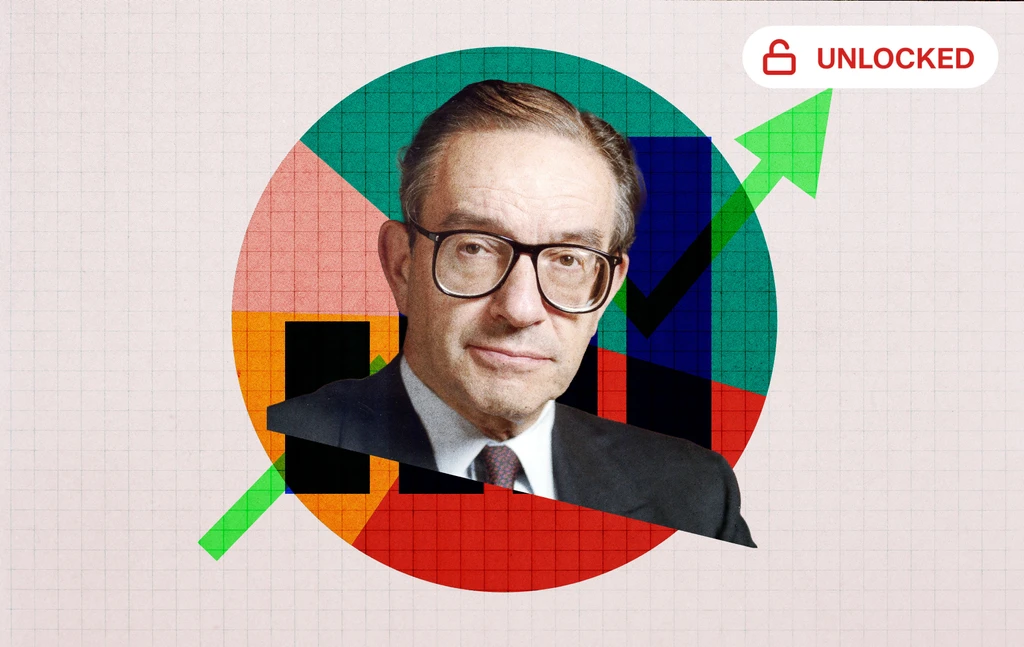
Alan Greenspan, Fed chairman from 1987 to 2006, is often blamed for the 2008 crisis. But during the 1990s, he got something crucial right: he trusted what he saw over what the data said.
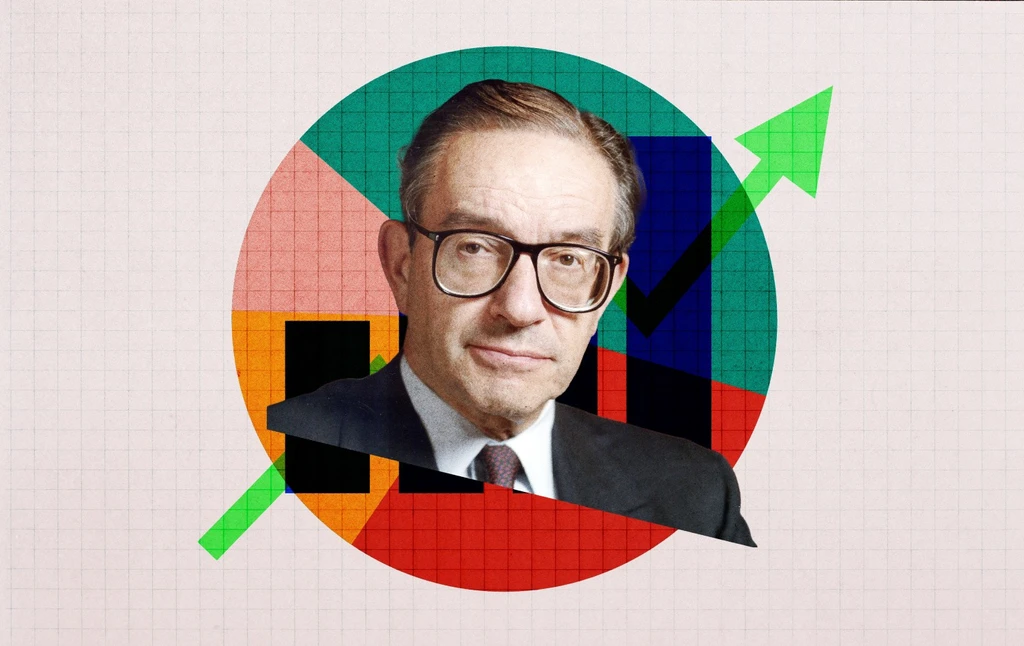
In the early ’90s, the U.S. was anxious-recovering from recession, worried about Japan and Europe. Standard models like the Taylor Rule said rates were fine. Greenspan disagreed.
He saw a “jobless recovery” and believed productivity was surging even though the stats didn’t show it yet. So he kept cutting rates through 1992 and held them low through 1993. He raised them slowly in 1994, then reversed course in 1995 when unemployment ticked up.
For the next four years, rates stayed between 4.75% and 5.5%. The S&P 500 more than tripled. Unemployment fell to 3.9% by 2000. Productivity growth jumped from 1.5% to over 4%. The U.S. tech boom was born.
Today, AI is everywhere-but not in the productivity statistics. The cost of AI performance is dropping 9-fold to 900-fold per year. The U.S. faces a similar moment: data may say one thing, but the window shows another.
With trillions in data center investment ahead, the Fed’s next moves matter. New Chair Kevin Warsh might want to channel the Maestro.