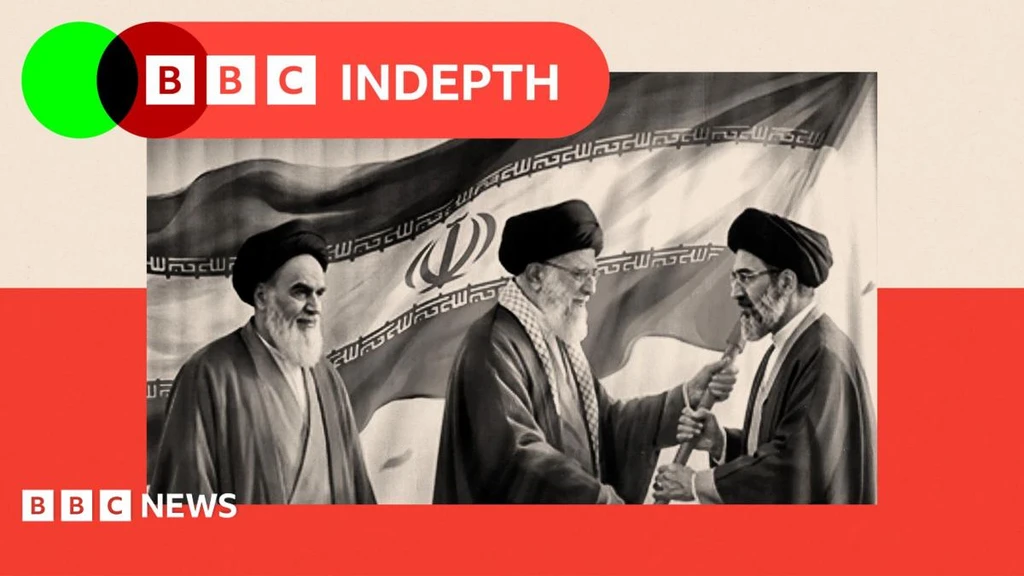
A fragile ceasefire holds between Iran and the United States, but the conflict has fundamentally altered the region's power dynamics. The war killed Iran's former Supreme Leader, Ayatollah Ali Khamenei, paving the way for a new, younger generation of leaders.
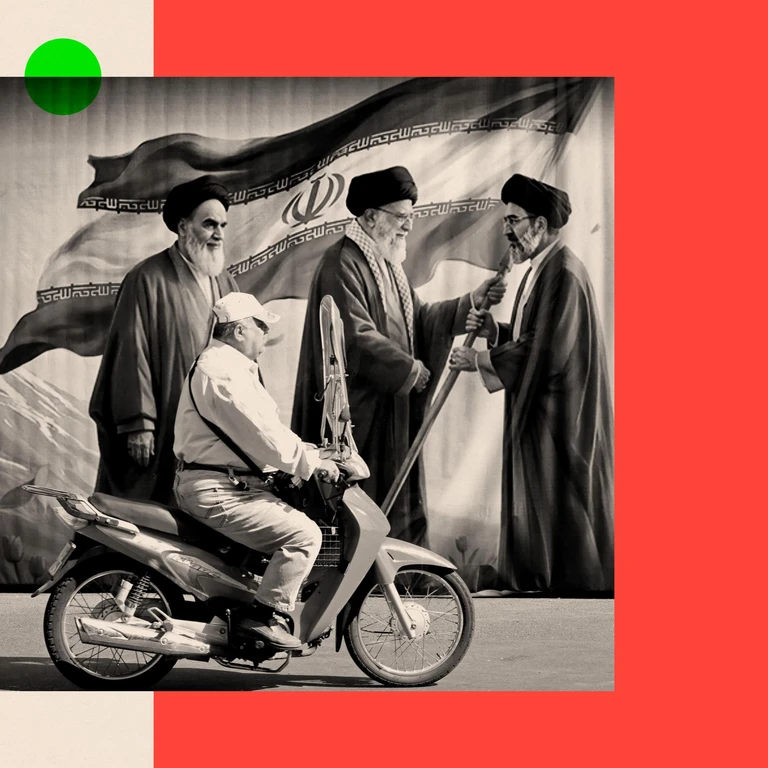
The new Supreme Leader, Mojtaba Khamenei, is 30 years younger than his father. Experts describe this as a "regime change" that benefits Tehran. The new guard is not composed of ideological hardliners, but post-revolutionary leaders focused on state preservation and willing to act decisively.
This shift was demonstrated during the war. Unlike past incidents where Iran telegraphed its retaliation, the new regime launched aggressive drone and missile attacks on multiple U.S. military bases across the Gulf, killing six U.S. soldiers. Iran also strategically closed the Strait of Hormuz, crippling global shipping.
The war's fallout is reshaping alliances. Gulf states, questioning the U.S. security umbrella, are now seeking to repair relations with Iran. Saudi Arabia is reportedly preparing a reconciliation summit.
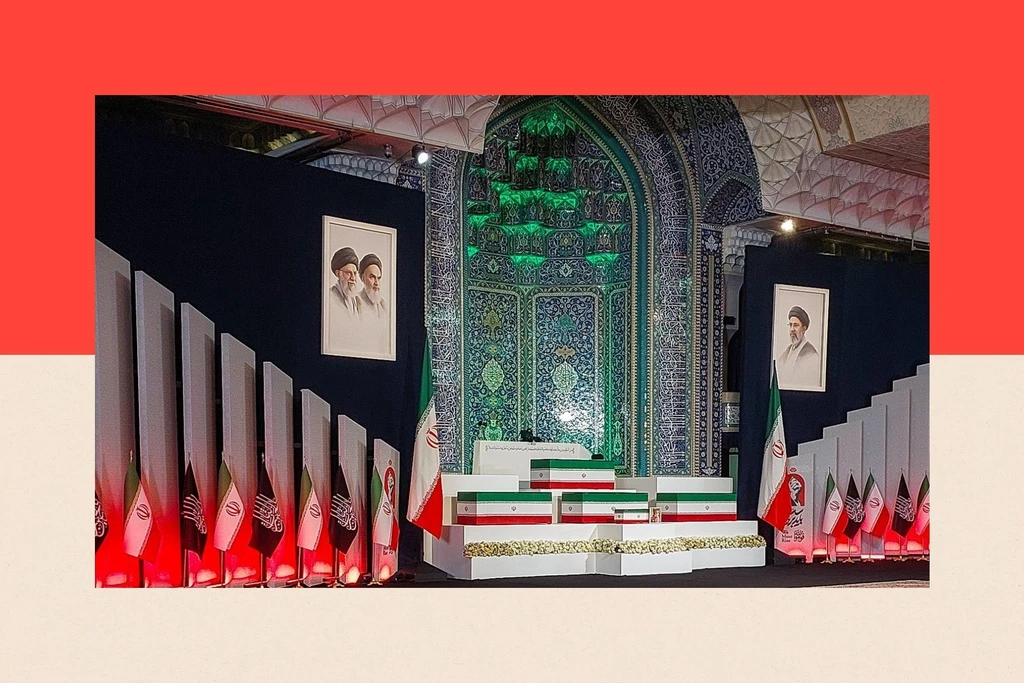
Internally, the regime faces a crisis of legitimacy. While it has shown it can protect sovereignty, it must now rebuild a shattered social contract. Pragmatic steps, like relaxing some social restrictions, are seen as a bid to restore faith in the state.
A U.S.-Iran Memorandum of Understanding offers a path to sanctions relief and a potential $300 billion reconstruction fund, providing a powerful incentive for Tehran to negotiate a final deal. However, deep suspicion remains, and failure could lead to renewed conflict.
The region stands at an inflection point. Iran is now run by its Revolutionary Guard elite, while its population, especially the young, feels disenfranchised. Whether this "plastic moment" can solidify into a more stable order is the critical question facing the Middle East.