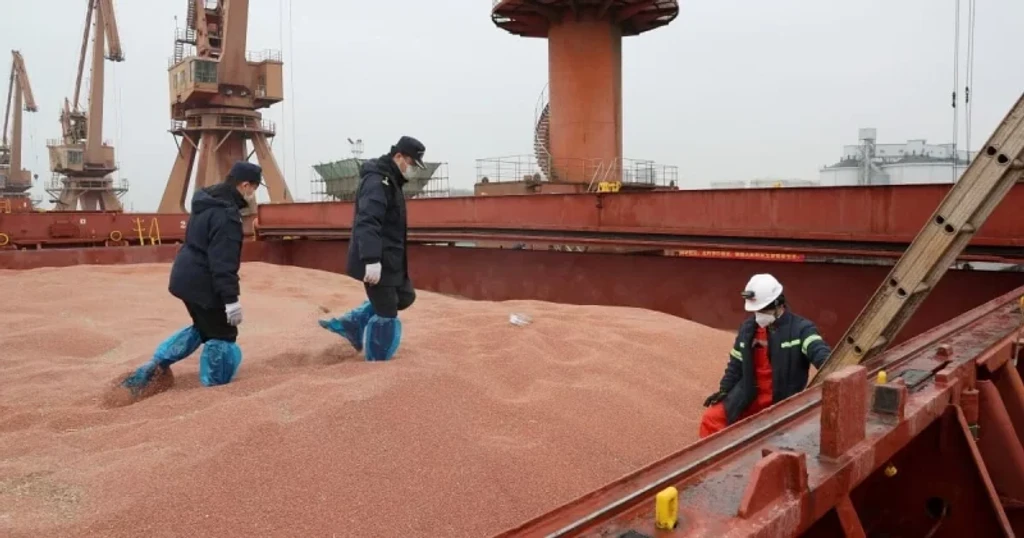
Before the trade war, China sourced over 90% of its soybeans from the US. By 2024, that number collapsed to roughly 20%. This is not a dip-it is a restructuring.
The upcoming Xi-Trump summit, anticipated for May 13 in Beijing, is expected to place agriculture at the center of negotiations. American farmers are pushing for China to commit to purchasing at least 25 million metric tons of soybeans annually, but China may not need them.
The great soybean divorce
China has replaced its US soybean purchases with suppliers from Brazil and Argentina, part of Beijing’s diversification strategy. In 2024, China spent an estimated $12 billion on soybeans from South America versus roughly $4.5 billion on US beans. That is nearly three dollars spent on South American soybeans for every dollar spent on American ones.
Since the trade war began, US soybean imports to China have dropped by over 70%.
Demographic headwinds
Even if Beijing wanted to help American farmers, its demographic challenges are altering the equation. China’s aging population and slowed economic growth have cooled its appetite for imported commodities. A commitment to buy 25 million metric tons annually would signal goodwill but may require China to purchase more than it organically needs.
Beyond soybeans
The summit is also likely to cover corn, sorghum, and wheat. Grain futures have surged on deal expectations, but critical issues including technology transfers, rare earth minerals, and territorial disputes remain unresolved.
For commodity-focused investors, the stakes are clear: strong commitments from Beijing would validate current elevated prices and potentially push them higher. A vague joint statement without specifics could trigger a sellback.