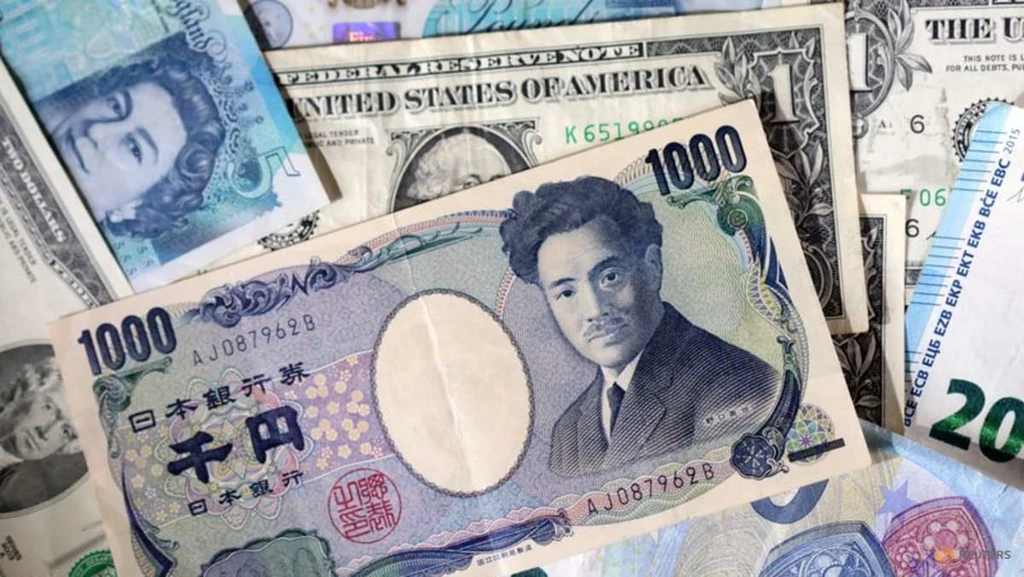
The yen and euro weakened Tuesday as a widening Middle East conflict shifted focus to energy import-dependent nations and potential central bank reactions to inflation. The dollar gained from safe-haven demand as the U.S. and Israeli air war against Iran expanded into neighboring countries.
Japan's Finance Minister Satsuki Katayama indicated currency market intervention remains an option to support the yen. Bank of Japan Governor Kazuo Ueda's upcoming speech is anticipated for signals on future rate hikes. "Europe and Japan stand out... in that they still have a great need to import energy," noted Rodrigo Catril, a currency strategist at National Australia Bank. "History will tell you that currencies such as the yen and the euro would struggle to perform."
The dollar index, measuring the greenback against a basket of currencies, traded at 98.49. The euro edged up 0.07 percent to $1.1695, and the yen gained 0.09 percent to 157.2 per dollar.
Authorities are in "close contact with overseas financial officials and are closely monitoring financial markets with an 'extremely strong sense of urgency,'" stated Japan's Katayama.
Escalating tensions saw Israel attack Lebanon in response to Hezbollah strikes, while Tehran continued missile and drone attacks on Gulf states. Qatar halted liquefied natural gas production, leading to precautionary shutdowns of oil and gas facilities across the Middle East.
Europe and Japan are more vulnerable to higher energy costs than the net energy-exporting U.S.
Concerns that higher inflation will delay Federal Reserve interest rate cuts also bolstered the dollar. Rate cut expectations have shifted, with September now the earliest anticipated timing based on Fed funds futures market pricing.
The Swiss National Bank expressed willingness to intervene in foreign currency markets as the Swiss franc reached a decade-high against the euro.
In cryptocurrencies, bitcoin fell 0.78 percent to $68,889.68 and ether declined 0.6 percent to $2,031.20.