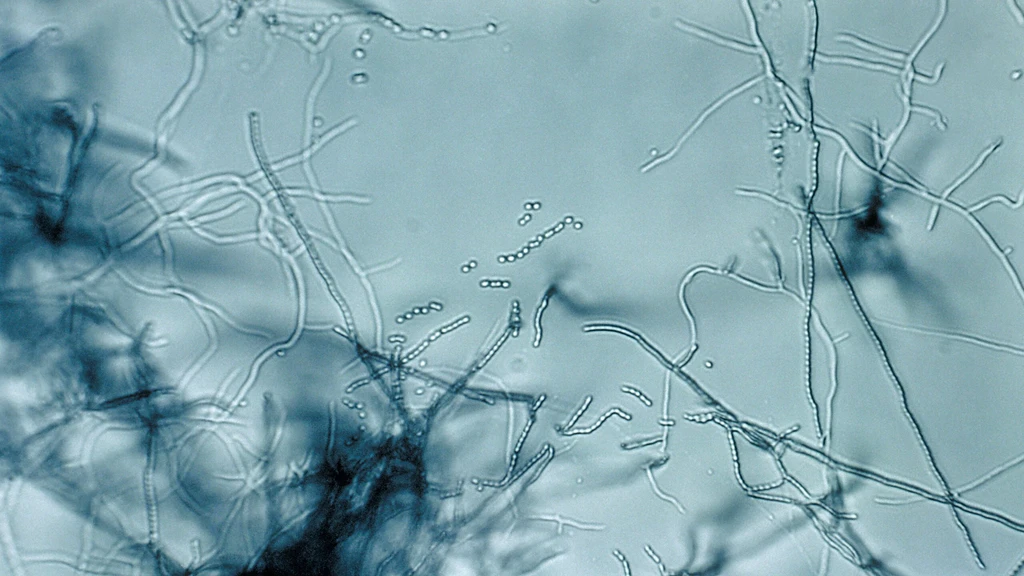
Antibiotic resistance is a growing global threat. Now, a groundbreaking discovery in Canada offers a new strategy.
Researchers at McMaster University have identified a 'megacluster' of genes in Streptomyces bacteria. This cluster produces four distinct molecules that work together to cripple the biotin biosynthesis pathway-a critical metabolic process for many pathogens.
Unlike traditional antibiotics, which are often single molecules, this natural system uses a multi-pronged attack. Three molecules block different enzymes in the pathway. A fourth acts as a decoy, hijacking the process to produce a useless byproduct.
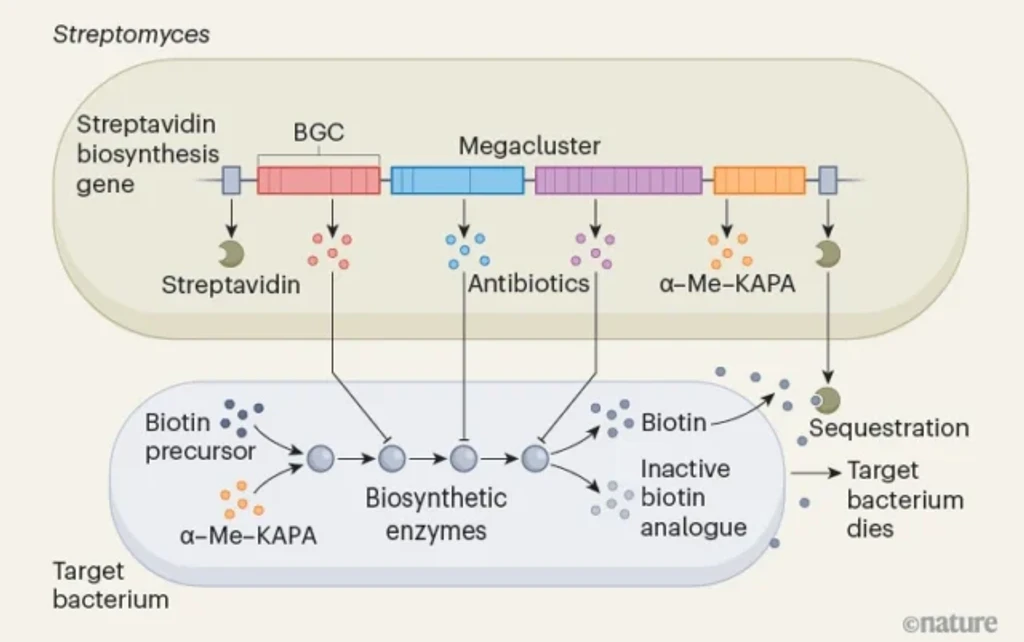
Lab and animal tests confirmed the combination is potent. Experts suggest such evolved, synergistic systems may be harder for bacteria to develop resistance against.
While clinical applications are years away, this research marks a shift in antibiotic discovery-moving from hunting single compounds to finding natural, combination therapies already proven by evolution.