
A new study suggests poor sleep may be an early warning sign of Alzheimer's disease for some older women - particularly those with a strong genetic risk.
Researchers from several US institutions analyzed data from 69 women aged 65 and older. The participants completed sleep questionnaires, underwent memory tests, and 63 also had brain scans to measure tau protein buildup.
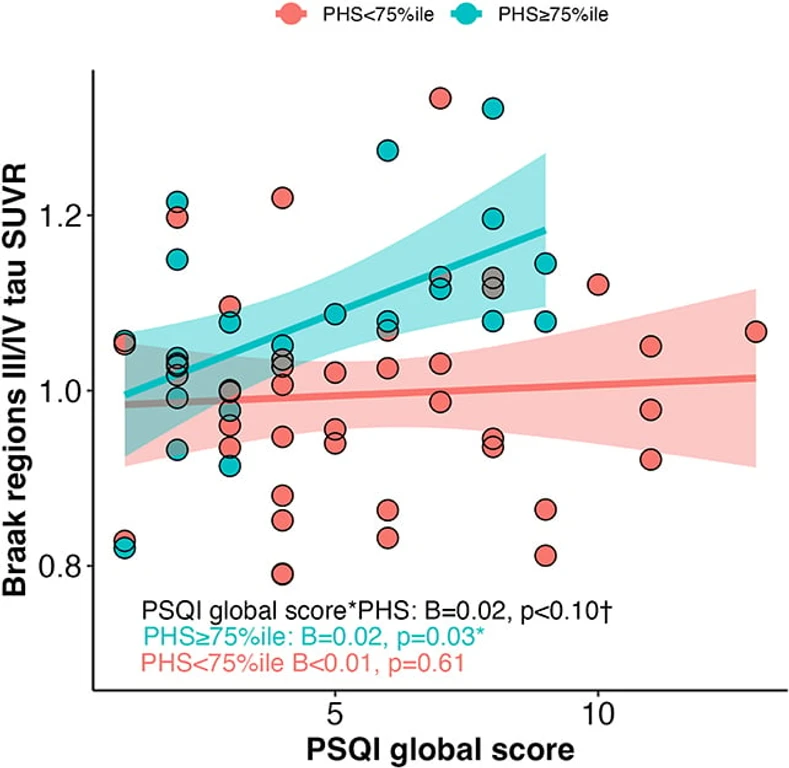
The results: in the group with the highest genetic risk for Alzheimer's, poor sleep was linked to lower visual memory scores and higher tau accumulation in brain regions associated with the disease.
This suggests disrupted sleep may be an early symptom of Alzheimer's pathology, rather than just a normal part of aging.
The findings also underscore a key opportunity: unlike genetics or depression, sleep is a modifiable risk factor. The team behind the study says improving sleep could be a target for Alzheimer's prevention in older women, a group disproportionately affected by the disease.
The study appears in the Journal of Prevention of Alzheimer's Disease.