New research indicates that COVID-19 was associated with measurable shifts in fetal growth outcomes. A study analyzed rates of fetal growth restriction (FGR) and small for gestational age (SGA) neonates across distinct pandemic periods.
The researchers reported that fetal growth restriction patterns fluctuated throughout the pandemic. Rates of both FGR and SGA differed between time periods, suggesting the pandemic’s impact on fetal growth was dynamic.
Certain pandemic epochs were associated with increased rates of growth abnormalities, while others showed stabilization. Evolving public health measures, healthcare access, and behavioral changes likely contributed to these trends.
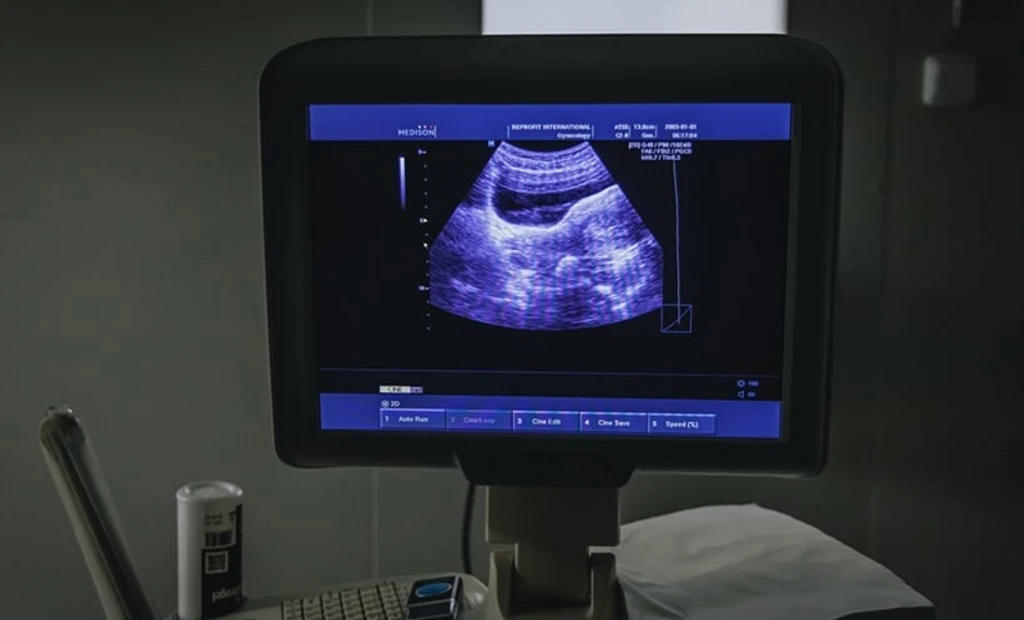
Reduced access to prenatal ultrasounds may have affected the detection and management of fetal growth abnormalities, particularly early in the pandemic. Additionally, widespread maternal stress and socioeconomic pressures could have impacted fetal development through inflammation, vascular changes, and placental insufficiency.
The findings underscore the importance of robust antenatal care systems resilient to public health emergencies. Safeguarding timely fetal biometry and ultrasound assessments should be a priority for the future.
Further research is needed to determine if these changes have long-term consequences for child health and development.