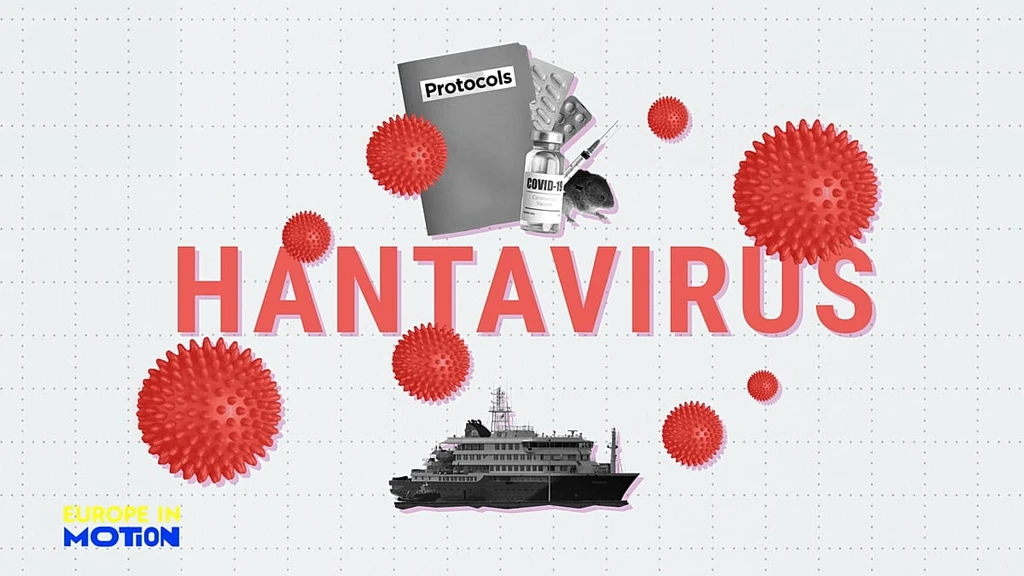
The European Union has activated its crisis response mechanism in information-sharing mode following the deaths caused by the aggressive Andes variant of hantavirus on the MV Hondius cruise ship. The European Centre for Disease Prevention and Control (ECDC) classifies the risk as 'very low,' but the Council of the EU is actively monitoring the outbreak.
While there is no unified European playbook for quarantine, countries like Germany, Italy, Spain, and the UK are coordinating their responses using World Health Organization (WHO) guidance. Protocols include a six-week quarantine for high-risk contacts, PCR testing, and strict movement limitations. The UK requires a minimum 72-hour hospital quarantine, while France mandates the full six-week period in a hospital, though isolation could be lifted after 14 days depending on symptoms.
The EU has two key regulations to manage cross-border health threats: Regulation 2022/2371, which requires countries to alert each other within 24 hours through the Early Warning and Response System, and Regulation 2022/2372, which sets procedures for joint vaccine and medicine stockpiling. Spain has also invoked the European Civil Protection Mechanism, which includes 10 non-EU states such as Norway, Serbia, and Ukraine.