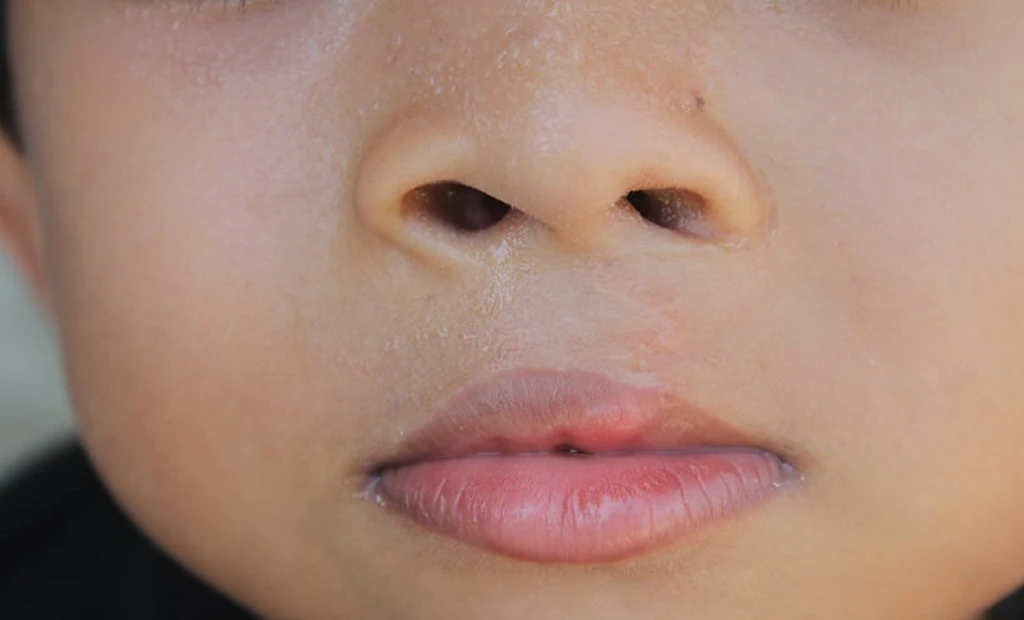
A comprehensive study of over 24,000 patients with various cleft subtypes indicates a significantly higher risk of psychological and neurodevelopmental disorders, particularly for those with cleft palate. Researchers found that patients with cleft palate exhibited more pronounced rates of attention deficit hyperactivity disorder (ADHD), intellectual disability, autism spectrum disorder, and developmental disorders compared to other cleft presentations and individuals without cleft diagnoses.
The analysis, which compared cleft patients to over 20.5 million individuals without cleft lip or palate, also identified varying risks within cleft lip and palate categories. Those with unilateral cleft lip and palate showed a greater likelihood of certain comorbidities like autism spectrum disorder and anxiety than those with bilateral cleft lip and palate.
These findings highlight the critical need for proactive psychosocial and developmental assessments in cleft care. The study supports earlier screening for mental health and neurodevelopmental conditions, emphasizing the importance of multidisciplinary care to address elevated comorbidity prevalence, especially in cleft palate patients. The research suggests a shift from viewing cleft lip and palate solely through a structural lens to acknowledging its significant long-term psychological and neurodevelopmental implications.