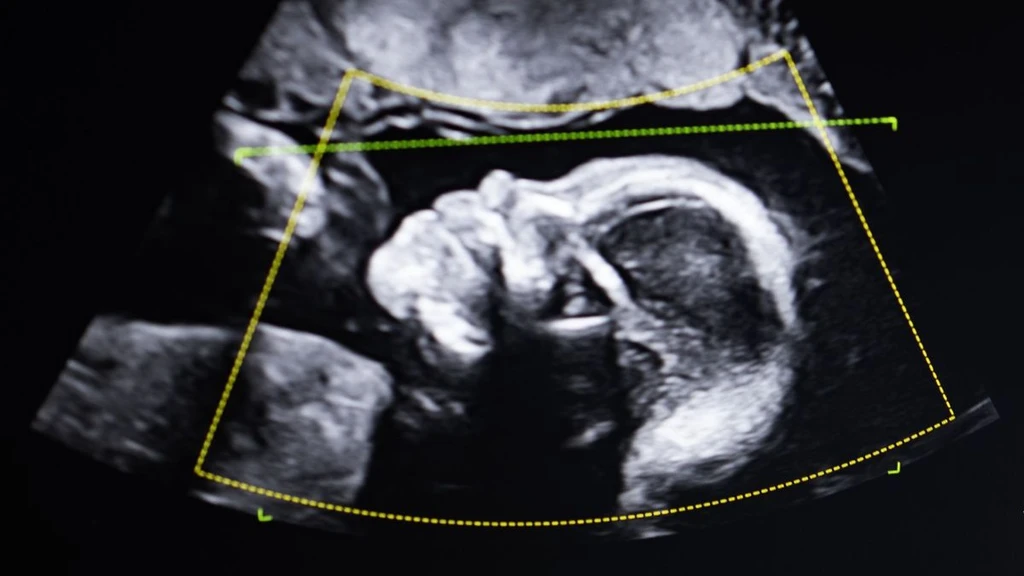
In rare cases, DNA tests intended to confirm identity can yield confounding results. One woman, identified as Fairchild, faced an unimaginable situation when DNA tests indicated she was not the biological mother of the children she carried and gave birth to. Initially suspected of welfare fraud, her claims of motherhood were met with disbelief, with DNA evidence presented as infallible.

Further investigation, including testing her newborn son, revealed a similar genetic discrepancy. A breakthrough came when a lawyer connected her case to that of Karen Keegan, who also experienced similar DNA test anomalies. Scientists discovered Fairchild carried cells with a different DNA profile, ultimately traced to a vanished twin sister. This phenomenon, known as germ-line chimerism, occurs when individuals possess cells from another, often a twin, leading to mixed DNA profiles.
This discovery challenges the long-held assumption of a single genome per individual. It highlights the limitations of DNA profiling in definitively establishing identity or origin, especially in legal and familial contexts. The existence of chimeric cells often goes unnoticed unless specific medical circumstances, like organ transplants or welfare applications, necessitate detailed genetic testing.