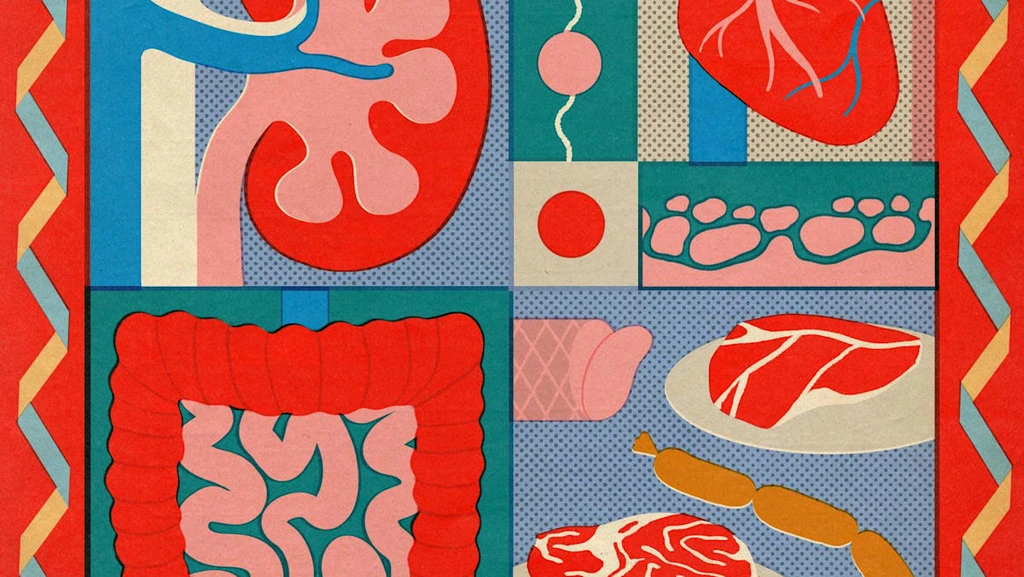
The push for protein is everywhere, from packaged foods to the latest Dietary Guidelines for Americans. But research shows most US adults already consume far more than necessary. A 2025 survey found 71% are trying to eat more, up from 59% in 2022. Yet experts warn that excessive protein-especially from animal sources-carries real health risks.
Heart Disease and Type 2 Diabetes
Nearly 70% of protein in American diets comes from meat and animal products. Studies link high consumption of red and processed meat to increased risks of heart disease and Type 2 diabetes. An extra 100g of red meat per day raises heart disease risk by 11%; every 50g of processed red meat increases it by 26%. Those eating the most red meat have a 40% higher risk of developing Type 2 diabetes.
Cancer
High red and processed meat intake is also linked to colorectal cancer. A 2024 study found a 30% increased risk with red meat and 40% with processed meat. Experts recommend plant-based proteins like soy, lentils, beans, and nuts, along with fish and fermented dairy.
Digestive Issues and Weight Gain
Focusing on protein often means skipping high-fiber vegetables and whole grains, leading to constipation and gut problems. Fiber is essential for digestion and gut microbiome health. Additionally, excess protein calories, if not burned through exercise, turn into fat-contributing to weight gain.
Kidney Problems
For the 1 in 7 Americans with chronic kidney disease, metabolizing large amounts of protein stresses the kidneys and can reduce function. Animal protein also increases the risk of kidney stones, though adequate water intake lowers that risk.