A major archaeological discovery in Indonesia is forcing scientists to rethink human evolution.
Nearly 70,000 years ago, modern humans created stunning rock art on the tropical island of Sulawesi. The finding, announced in January, is now recognized as the world's oldest known rock art.
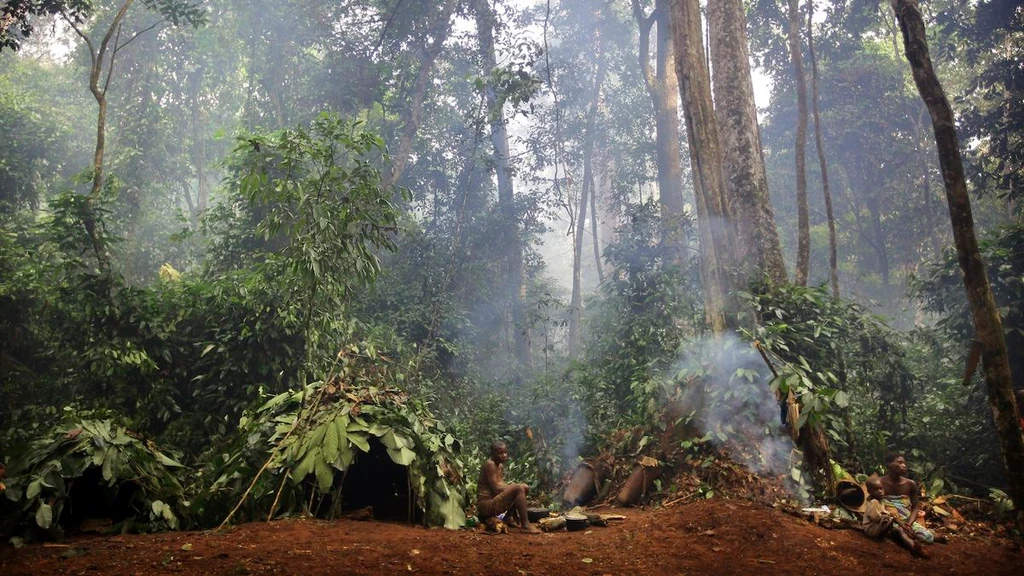
But its location reveals a more profound implication: that members of our species, Homo sapiens, were not just surviving but thriving in dense rainforests tens of thousands of years earlier than previously believed.
This evidence challenges the long-held view that early human development was primarily a savanna or coastal phenomenon. It suggests early humans possessed sophisticated environmental adaptations for complex, wooded ecosystems much sooner in our evolutionary history.