Contrast bath therapy, the practice of alternating between hot and cold environments, is gaining popularity in Singapore's bathhouses, promising improved circulation, muscle recovery, and mental relaxation. Experts explain the physiological mechanisms: heat dilates blood vessels, cold constricts them, creating a pump-like effect that proponents believe enhances circulatory health.
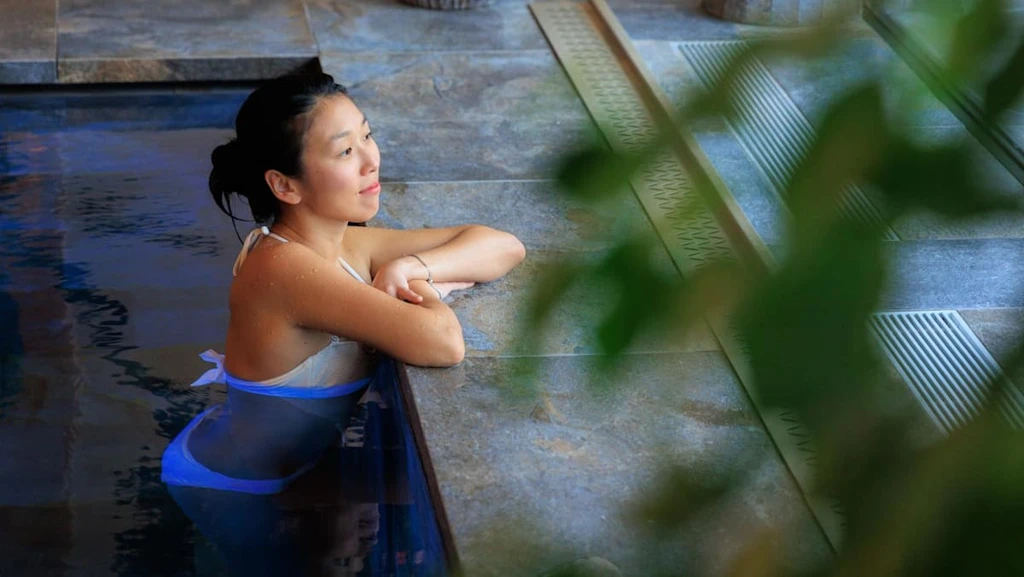
By alternating between temperature extremes, you are briefly stimulating your nervous systems in a controlled way. (Photo: iStock/Twilight Show)
Darryl Tan of Shelter by Reformd notes this process trains the sympathetic and parasympathetic nervous systems. Dr. Shirley Kwee of Cambridge Medical Group explains that cold exposure initially triggers a stress response, followed by a shift into a rest-and-digest state upon rewarming. Dr. Hisham Badaruddin, chief medical officer at TSquared Lab, cautions against extreme cold, recommending 10°C to 15°C for safety.
Cold water gives your body a short spike in alertness, an increased heart rate and a stress response. (Photo: iStock/AzmanL)
A mouse study suggesting cold exposure could disrupt female reproductive health is not applicable to humans, experts say. For most women, controlled cold plunges are safe and may even alleviate menopausal hot flashes. Recommended etiquette includes showering before use, wearing swimwear in communal Singapore bathhouses, and limiting sessions to 15-20 minutes for heat and 30 seconds to 2 minutes for cold. Those with cardiovascular or skin conditions should consult a doctor first.