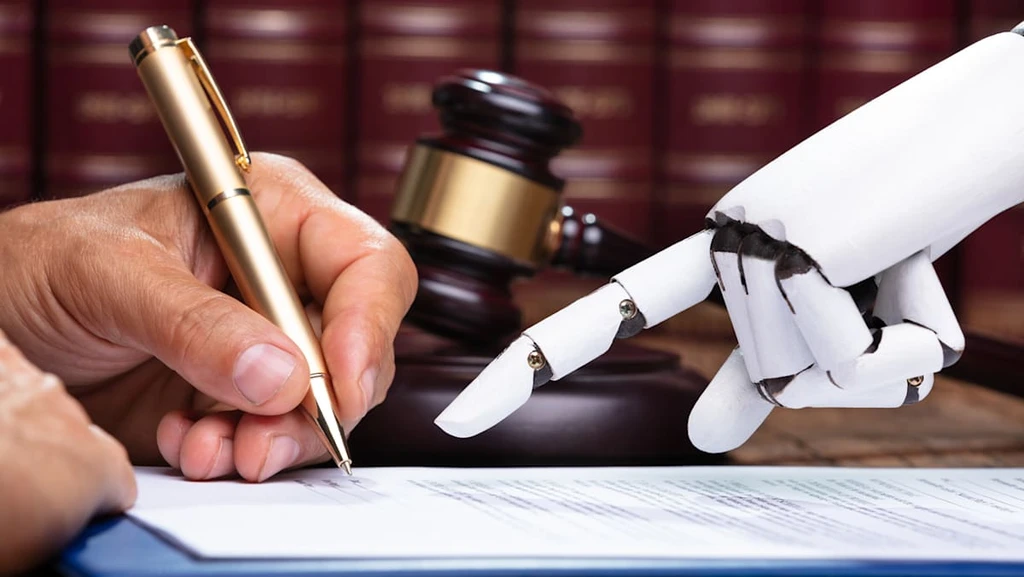
The rise of generative AI is shaking up the legal profession, but experts warn against relying on chatbots for legal advice.
Singapore's Chief Justice Sundaresh Menon warns AI will "upend the practice of law." In February, Anthropic's Claude Legal plugin triggered an $830 billion global tech selloff, signaling its disruptive power.
The key risks: AI hallucinations can produce fake legal cases. In September 2025, a Singapore man used ChatGPT to cite 14 fictitious cases in court. Last year, two Singapore lawyers were fined $5,000 each for similar errors. Confidentiality is another major concern-uploading privileged information to a chatbot could waive legal protection.
Lawyers provide intuition, real-time judgment, and the ability to tell clients when they're asking the wrong question-something AI cannot do. Attorney-General Lucien Wong notes, "AI may be able to answer your questions, but it cannot tell you when you are asking the wrong question."
Clients can use AI to prepare case summaries or sharpen questions for their lawyers, but all output must be verified. The technology should remain a tool, not a replacement for human counsel.
For lawyers, the future demands excellence in soft skills: client management, judgment, and interpersonal abilities-areas where AI cannot compete.