
A master electrician recounts losing an entire decade of his life, from age sixty to seventy, to a couch he believed was a temporary resting place. He initially retired at sixty-four after a forty-year career, citing worn knees, a bad shoulder, and doctor's advice. For a few months, retirement was restorative, allowing him to truly rest and reconnect with his wife, Donna.
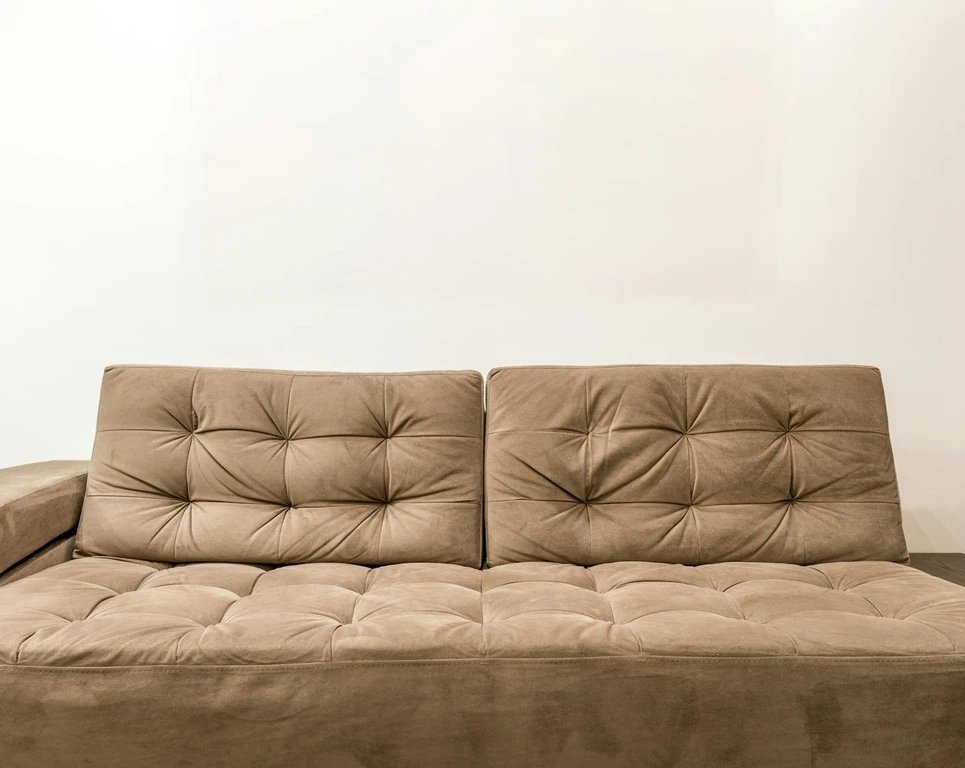
However, the rest soon became gravitational. He began confusing physical exhaustion with a loss of purpose. This inactivity fed a cycle of depression, making him feel less capable and more tethered to the couch. He used his legitimate physical ailments as justification, creating a 'false permission structure' to avoid confronting his identity post-career.
Donna, his wife of over four decades, noticed the change but approached it gently. The author eventually sought therapy, a novel experience for him. His therapist helped him distinguish between resting for recovery and resting to avoid activity altogether.

This realization prompted a shift. He now walks three miles daily, volunteers with Habitat for Humanity, and is learning Spanish. He emphasizes that rest has an expiration date and that mistaking it for avoidance can be costly. He urges others to question if they are resting from something or resting instead of something.