
A review by the University of Coimbra in Portugal analyzes the ketogenic diet's potential to combat neurodegenerative diseases like Alzheimer's, Parkinson's, and Huntington's.
The ketogenic diet, which prioritizes fats and proteins over carbohydrates, induces ketosis-a metabolic state where the body burns fat for energy instead of glucose. The research suggests that ketones can serve as an alternative energy source for the brain, restoring neuron stability and reducing inflammation.
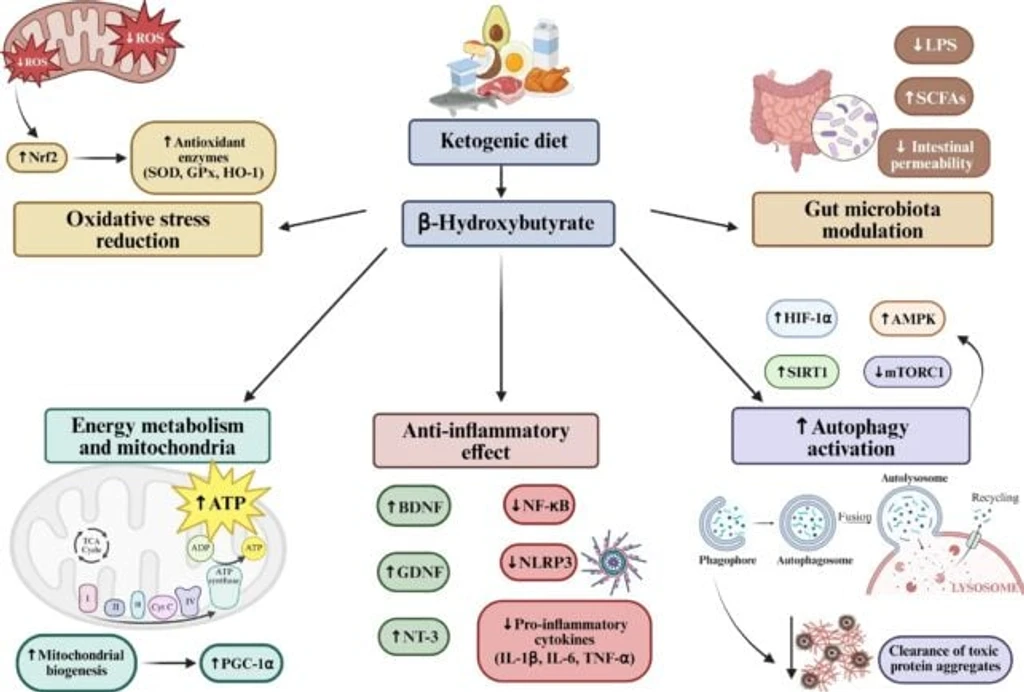
The keto diet targets several metabolic processes linked to neurodegenerative diseases. (Salgueiro et al., Transl. Neurodegener., 2026)
Published in Translational Neurodegeneration, the review highlights that ketones reduce inflammation in animal models of Parkinson's and multiple sclerosis, boost cellular cleanup, and promote beneficial gut bacteria. However, the team notes significant gaps: most studies involved animals, not humans, and the diet is difficult to maintain with side effects like constipation, insomnia, and high cholesterol.
Despite the promise, experts caution that the keto diet may increase risks of type 2 diabetes and heart disease in the long term. The researchers call for more clinical trials to optimize its application for neurodegenerative conditions.