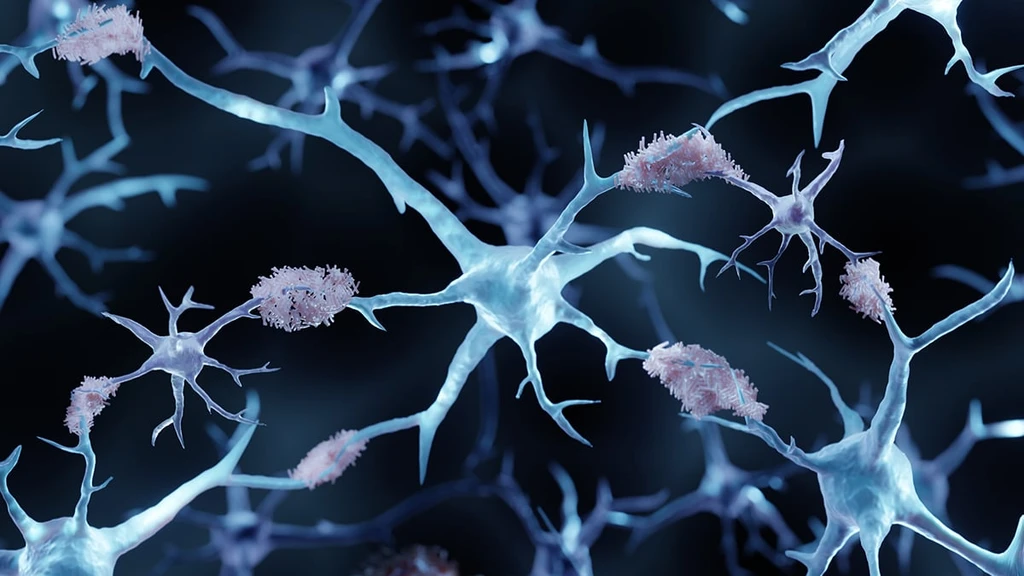
Researchers from Monash University and the University of Melbourne have identified Cu(ATSM), a copper compound, as a candidate to enhance brain waste clearance, potentially offering a new avenue for Alzheimer's treatment. In studies, Cu(ATSM) showed a notable 42% reduction in toxic amyloid-beta levels and a nearly 44% improvement in spatial memory in mice. The compound works by increasing levels of P-glycoprotein, essential for transporting amyloid-beta out of the brain, thereby reinforcing the blood-brain barrier.
Pharmaceutical scientist Joseph Nicolazzo highlights its neuroprotective properties, noting Cu(ATSM) is already in clinical trials for other neurodegenerative diseases. Despite promising results, further research in human trials is crucial before confirming its efficacy for Alzheimer’s treatment.
As researchers continue to unravel the mechanisms of amyloid clearance, Cu(ATSM) remains a promising candidate in the ongoing battle against Alzheimer's disease, which affects millions globally. The study was published in ACS Chemical Neuroscience.